Table of contents
Meta Quest 3 and Apple Vision Pro glasses are redefining the medical sector with their augmented reality (AR) and virtual reality (VR) capabilities. These innovative tools are not only changing the way we see the world but also transforming how we tackle the most complex medical challenges.
Are you interested in modular content and omnichannel materials?
Demystifying Technology
Before delving into the various uses and benefits these technologies offer to the medical sector, it is essential to dispel some myths surrounding artificial intelligence (AI) and augmented reality (AR).
Contrary to what most people think, these technologies are not seeking to replace medical professionals but to empower them. They are tools designed to complement human experience, not to supplant it. 
Get this free Guide with
5 key steps for The Digital Transformation
of Scientific Communication

A New Horizon in Medical Education
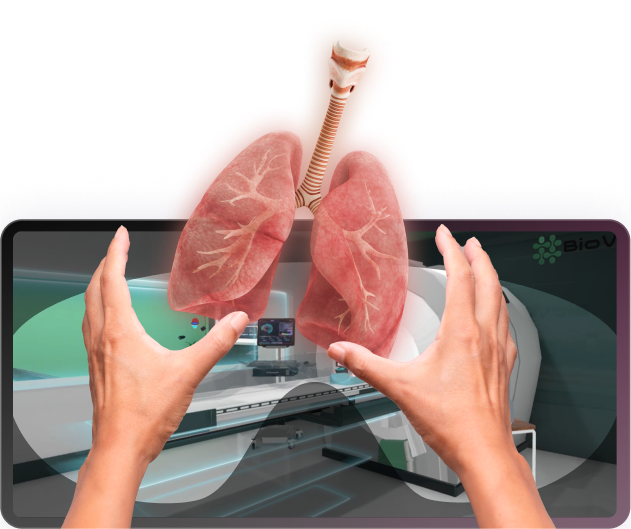
Imagine being able to immerse yourself in realistic simulations of complex surgical procedures, explore detailed visualizations of human anatomy, or overlay vital information during surgery.
With virtual and augmented reality, this is no longer a fantasy but a reality.
For example, in the case of surgical simulations, Imperial College London has developed virtual reality simulations for the training of cardiac surgeons, which have been shown to significantly improve participants’ skills and confidence.
Another example is the University of Michigan, which has created 3D anatomical models that can be explored with virtual reality, allowing medical students to better understand the human body.
These tools open the doors to a more immersive, accessible, and effective medical education.
Advanced Medical Assistance
From remote surgery to rehabilitation and pain therapy, the possibilities are endless with the integration of AR and VR in healthcare. Imagine a surgeon performing a delicate operation from thousands of kilometers away, or a patient finding relief through virtual reality therapies designed to reduce pain and enhance recovery.
With virtual reality glasses, these innovations are already here. Mayo Clinic is utilizing VR to assist patients with chronic pain in managing their pain and improving their quality of life. Additionally, the University of Nottingham has developed virtual reality programs to help patients with brain injuries regain mobility and coordination.
Driving Medical Research
Medical research greatly benefits from the capabilities of Meta Quest 3 and Apple Vision Pro to provide new perspectives and data analysis. From the development of new drugs to the planning of clinical trials and data analysis, these tools are accelerating the pace of innovation in the field of medicine. The ability to visualize complex data in 3D environments and share information more efficiently is taking medical research to new heights.
The demand for virtual and augmented reality services is booming, and the number of companies offering them is increasing. At 3DforScience, we can develop virtual reality medical experiences and applications, such as a VR experience replicating a cellular environment to demonstrate a journey through the bloodstream. The patient can immerse themselves inside their body to see how a medication works or reacts in the target organ, showing them what happens at a molecular level. 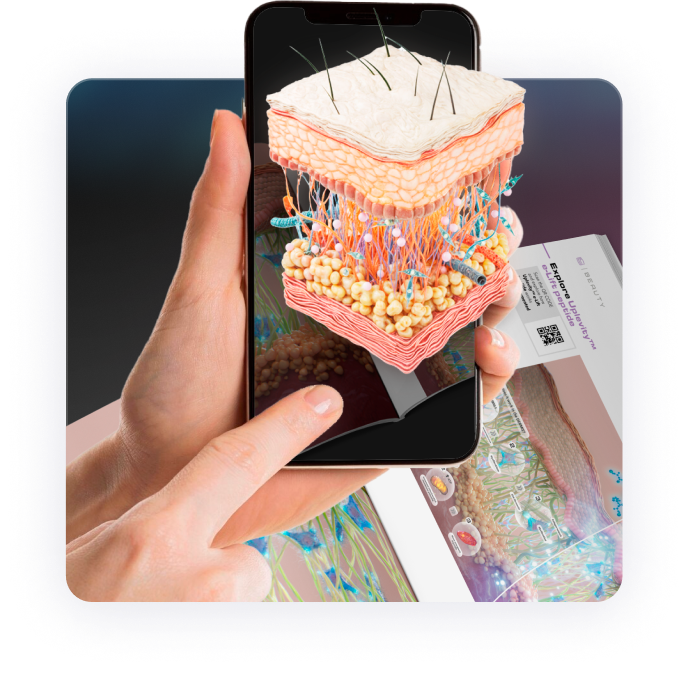
Conclusions and Recommendations
In an increasingly technology-driven world, the healthcare sector must embrace these innovations to continue advancing.
Meta Quest 3 and Apple Vision Pro represent just the beginning of what is possible when artificial intelligence and augmented reality are combined in the medical field. It is important to note that the technology is still in development and some challenges must be addressed before it can be widely implemented in the medical sector.
However, the potential of these tools is enormous and deserves close attention as they continue to evolve.
We recommend reading the article “Immersive Tech Experts Foresee Bright Future For Apple Vision Pro In Health Care” in Medtech Insight to delve further into the topic.
In the current landscape of the pharmaceutical industry, effective communication and visual impact are key elements to stand out and reach increasingly demanding audiences. In this context, 3DforScience continues establishing itself as a prominent leader in creating innovative communications for pharmaceutical companies.