Table of contents
Author: Javier M. Floren, Founder of 3DforScience
Are you interested in modular content and omnichannel materials?
Get this free Guide with
5 key steps for The Digital Transformation
of Scientific Communication
Introduction: Breaking Down Silos in Life Sciences
In today’s biotech and pharma industries, collaboration is key, but not always easy. Developing a new therapy or medical device involves many experts: biologists, engineers, chemists, and clinicians. Each speaks their own “technical language,” and misunderstandings can slow progress or lead to costly rework.
3D animation solves this by making complex science easy to see and discuss. Detailed medical device animation and pharmaceutical animation help everyone understand exactly how a therapy or device works.
The Challenge: Complex Science, Diverse Teams
Picture a team creating an advanced drug-delivery implant: biomedical engineers design the device, pharmaceutical scientists focus on the drug formulation, and doctors ensure patient safety. Without clear visuals, aligning these perspectives can take countless meetings and revisions.
Static diagrams or technical reports rarely capture dynamic biological or mechanical interactions. Teams risk miscommunication that eats up time and budget.
The Solution: Dynamic 3D Animation
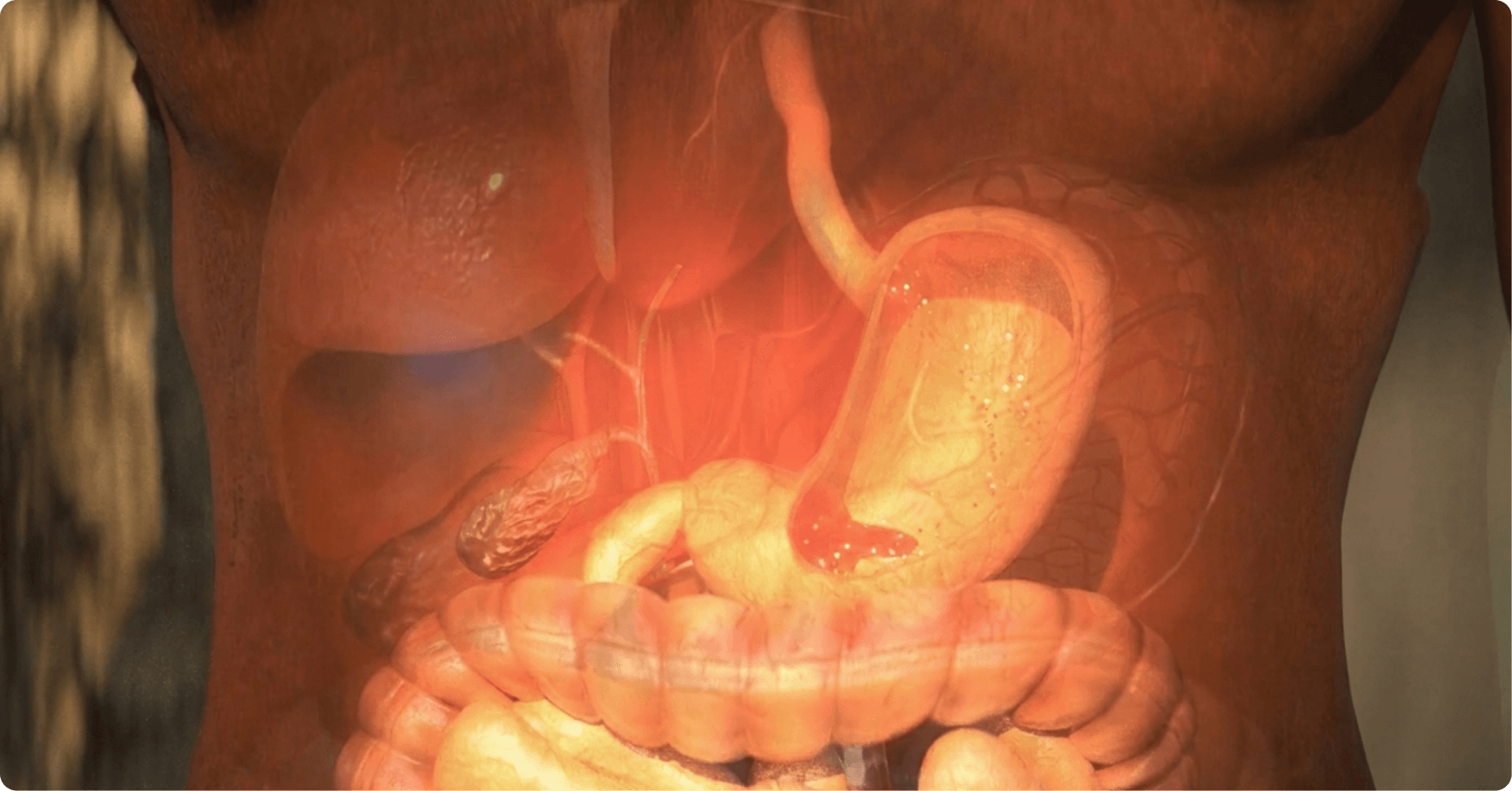
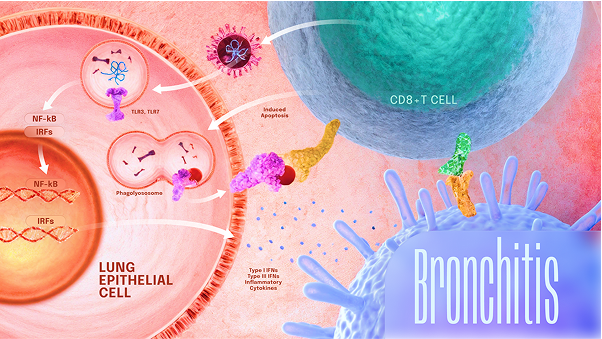
3D visualization bridges gaps by turning complex ideas into vivid stories. A high-quality medical device animation can show how an implant releases medication over time, how it integrates with tissue, or how it’s safely placed in the body. A pharmaceutical animation can illustrate how a new compound travels through the bloodstream or targets specific cells.
These clear visuals help experts quickly understand each other’s priorities, share meaningful feedback, and make faster, smarter decisions.
Key Benefits: Faster Alignment, Smarter Innovation
- Shared understanding: Different departments stay aligned by seeing the same realistic visuals.
- Clearer approvals: Easy-to-follow animations support regulatory submissions and investor presentations.
- Better teamwork: Scientists, engineers, and medical staff collaborate smoothly with clear 3D context.
- Quicker onboarding: New team members grasp projects fast with compelling visuals.
3DforScience’s Role
At 3DforScience, we specialise in creating detailed medical device animation and pharmaceutical animation tailored for cross-disciplinary teams. Our visuals help biotech and medtech companies communicate ideas clearly — internally, to investors, or to healthcare professionals.
We’ve seen how clear 3D visuals build trust, reduce revisions, and keep complex projects on track.
Conclusion: Visuals That Connect Experts
In a world where science grows more complex every day, visuals connect people. By turning technical details into engaging 3D stories, teams can collaborate better, speed up R&D, and launch innovations faster.
Curious how visuals can support your next project?
Let’s bring your science — and your teams — together with powerful 3D storytelling.