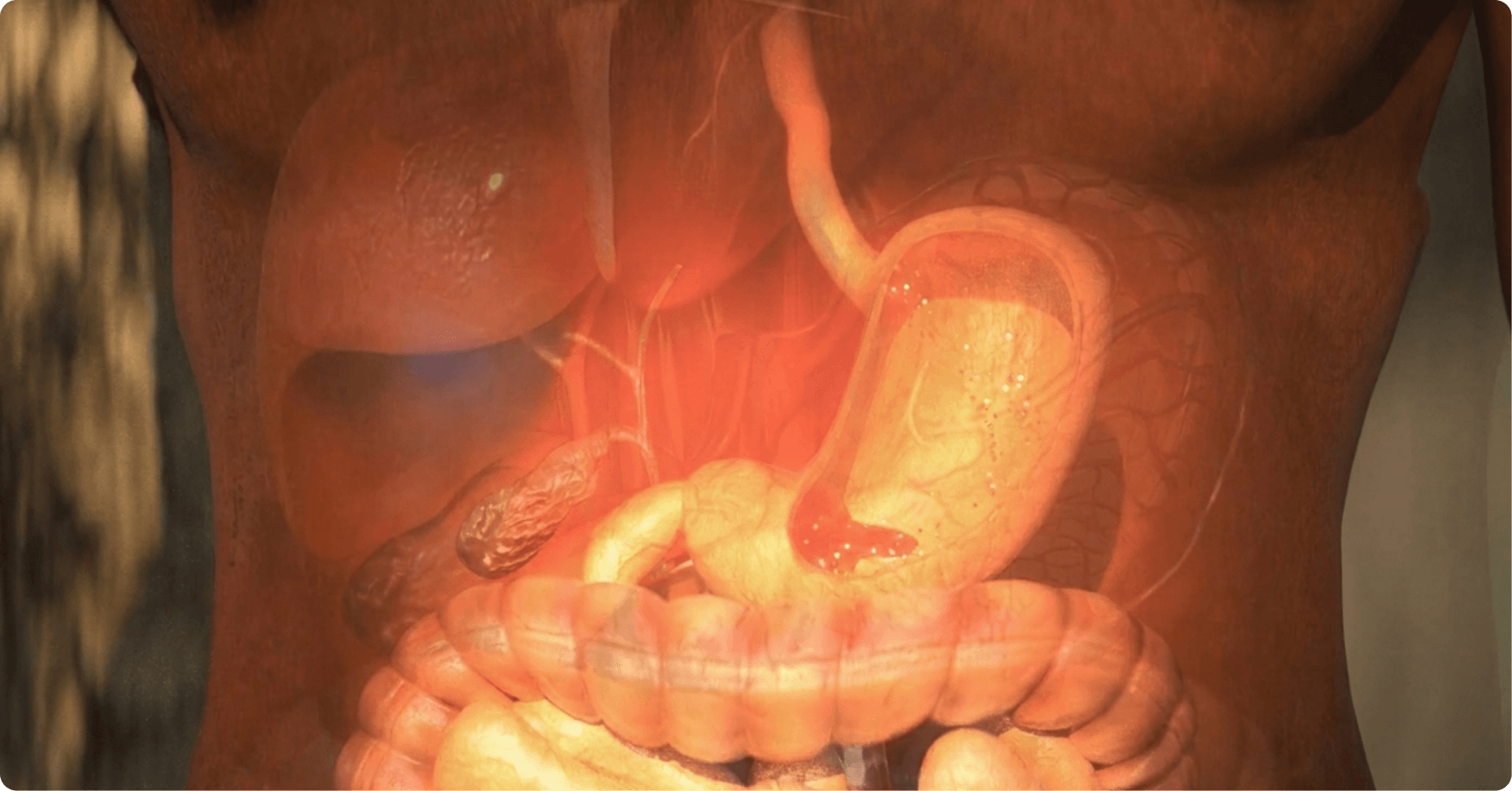
Diabetes care and 3D tools are helping to fight a chronic metabolic disorder, that has evolved into a global health challenge affecting millions worldwide.
Diabetes is a pervasive health concern with staggering global statistics. According to the International Diabetes Federation (IDF), approximately 463 million adults (aged 20-79) were living with diabetes in 2019. Alarmingly, this number is projected to rise to 700 million by 2045, underscoring the urgency to address this burgeoning health crisis.
Are you interested in
modular content and
omnichannel materials?
Types of Diabetes: Diabetes manifests in various forms, with the two primary types being Type 1 and Type 2.
Type 1 Diabetes: Often diagnosed in childhood, Type 1 diabetes results from the immune system attacking and destroying insulin-producing beta cells in the pancreas. Individuals with Type 1 diabetes require insulin injections for life.
Type 2 Diabetes: The more prevalent form, Type 2 diabetes, typically develops in adulthood. It is characterized by insulin resistance, where the body’s cells don’t respond effectively to insulin. Lifestyle factors, genetics, and obesity contribute to Type 2 diabetes.
Symptoms: Recognizing the early signs of diabetes is crucial for timely intervention. Common symptoms include:
Frequent Urination: Excessive thirst and urination are indicative of elevated blood sugar levels.
Fatigue: Persistent fatigue and irritability are common, stemming from the body’s inability to utilize glucose effectively.
Blurred Vision: High blood sugar levels can affect the eyes, causing blurred or distorted vision.
Get this free Guide with 5 key steps for The Digital Transformation of Scientific Communication
Diagnosis and Treatment: Integrating 3D Animation as a Medical Tool
While there is no cure for diabetes, effective management is achievable through lifestyle modifications, medication, and, in some cases, insulin therapy. Regular monitoring of blood sugar levels, a balanced diet, and regular exercise play pivotal roles in controlling the condition.
Diagnosis often begins with routine blood tests to measure blood sugar levels. However, newer diagnostic technologies, including continuous glucose monitoring systems and HbA1c testing, provide a more comprehensive understanding of glucose control over time. These approaches allow healthcare professionals to tailor treatment plans more accurately, addressing the unique needs of each patient.
The treatment landscape for diabetes has also undergone transformative changes. While lifestyle modifications, including diet and exercise, remain foundational, medical interventions have evolved to include an array of oral medications, injectable therapies, and advanced insulin delivery systems. Personalized treatment plans, based on a patient’s specific needs and response to therapies, are crucial in achieving optimal glucose control.
One notable tool that has revolutionized the understanding and communication of diabetes diagnosis and treatment is 3D animation. This cutting-edge technology offers a dynamic and visually engaging way to illustrate complex medical concepts. In the context of diabetes, 3D animation can be employed to depict the physiological changes associated with the disease, the mechanisms of action of various medications, and the impact of lifestyle modifications on overall health.
Healthcare professionals can use 3D animations to educate patients about the intricacies of diabetes, making it easier for them to comprehend the importance of adherence to treatment plans. Additionally, these visual aids facilitate more effective communication between healthcare providers and patients, fostering a collaborative approach to diabetes management.
How can 3DforScience help you to visualize complex processes?
3DforScience is a scientific communication company specializing in visual content for the life science sector. We are a passionate creative team of scientists, marketers, artists, and animators with a shared aim: to help you improve your scientific communication with innovative and unique creative solutions.
We can help boost your scientific communication capabilities within the biotechnological/ molecular biology fields by designing unique creative solutions such as 3D animation videos or illustrations.
Would you like to bring your scientific messaging to life? Contact us. We would be pleased to provide you with a unique creation.
Ready to Outsource Work or Hire a New Studio?
Get this free Guide with 5 key steps for The Digital Transformation of Scientific Communication
ARE YOU INTERESTED IN SCIENTIFIC ANIMATION AND COMMUNICATION?
How to convert B2B matchmaking meetings into qualified opportunities?
Oct 6, 2026
Materials Science Animation: Seeing Structure, Properties and Performance in 3D
Sep 11, 2026
Gastroenterology: 3D Medical Animation From Mouth to Microbiome
Sep 4, 2026
By submitting, you agree to 3dforScience processing your personal data and using it to contact you about relevant content, products, and services. You can unsubscribe at any time. See the Privacy Policy for more information