Table of contents
Due to the integration of increasingly sophisticated digital technologies, the landscape of medical affairs communication and marketing is undergoing a radical transformation. Pharmaceutical companies, medical device creators, and health institutions are seeking new ways to connect with healthcare professionals, patients, and regulators, and immersive technologies are emerging as a powerful tool to achieve this. Understanding the latest medical affairs communication trends is crucial for staying competitive and effectively engaging target audiences.
Are you interested in modular content and omnichannel materials?
Top Medical Communication Trends and Best Practices
1.- Mass Personalization: Personalizing messages has become essential and a necessity. Using patient data to create personalized and relevant experiences is crucial for building lasting relationships.
2.- User-Generated Content (UGC): Obtaining testimonials and encouraging patients and healthcare professionals to share their experiences and insights through social media and other digital channels can generate greater trust and credibility.
3.- Medical Influencers: Collaborating with medical influencers will greatly help reach specific audiences and build a positive brand reputation.
4.- Artificial Intelligence (AI): AI, increasingly regarded as an indispensable tool today, can be used to analyze large amounts of data and predict market trends, as well as to create personalized content and automate tasks.
5.- Virtual Reality (VR): VR allows users to immerse themselves in simulated environments, making it a valuable tool for medical training, product demonstrations, and creating immersive brand experiences.
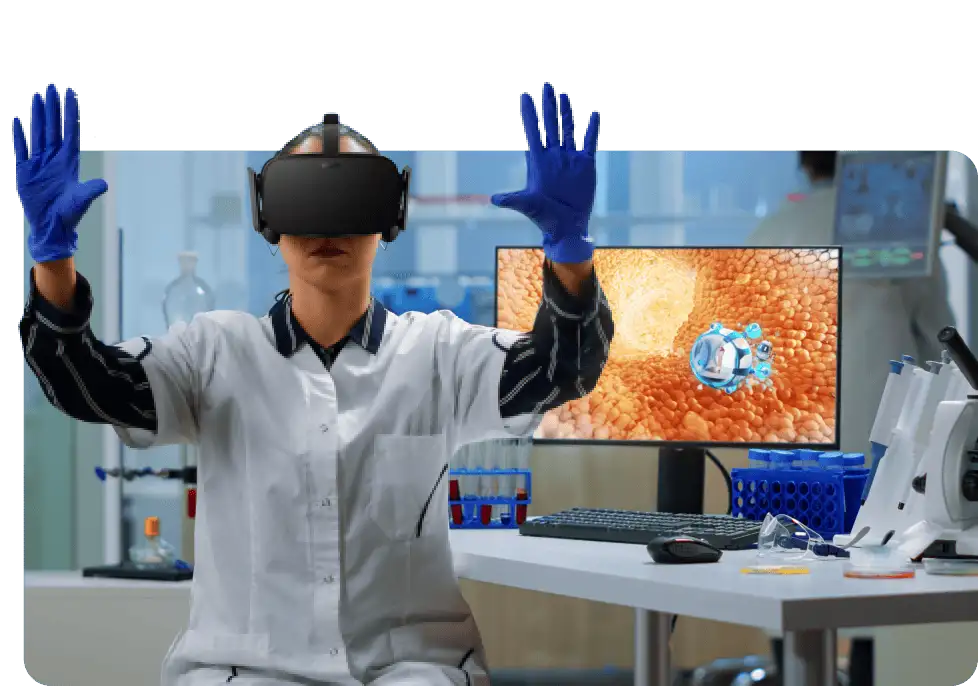
6. Augmented Reality (AR): AR overlays digital information in the real world, making it ideal for visualizing medical data, surgical guidance, and patient education. It has been shown that AR in surgery can reduce medical errors by 21%.

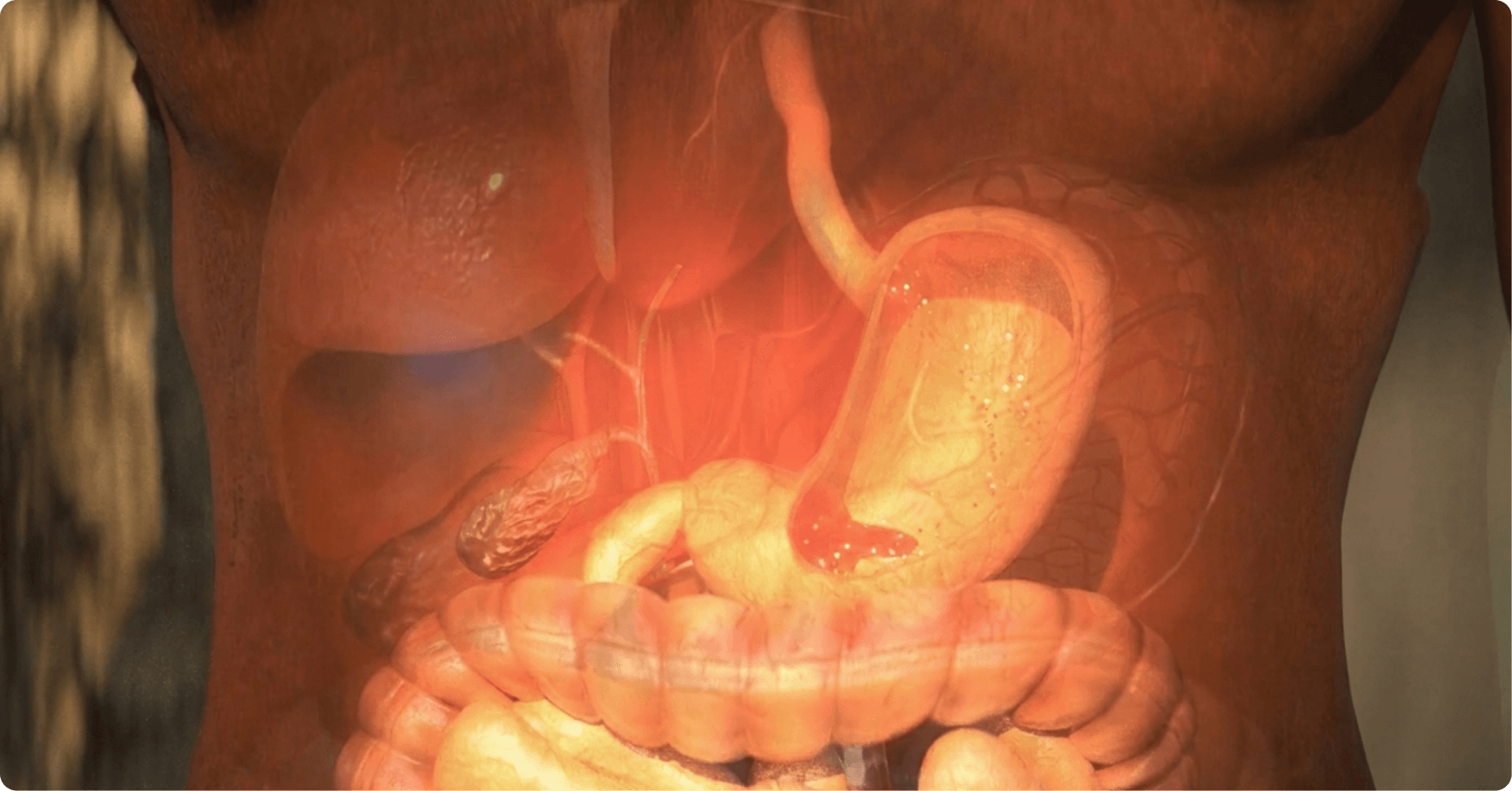
7.- 3D MoA Animation: 3D animation can be used to create clear and concise visualizations of complex biological processes, facilitating various audiences’ understanding of medical concepts.
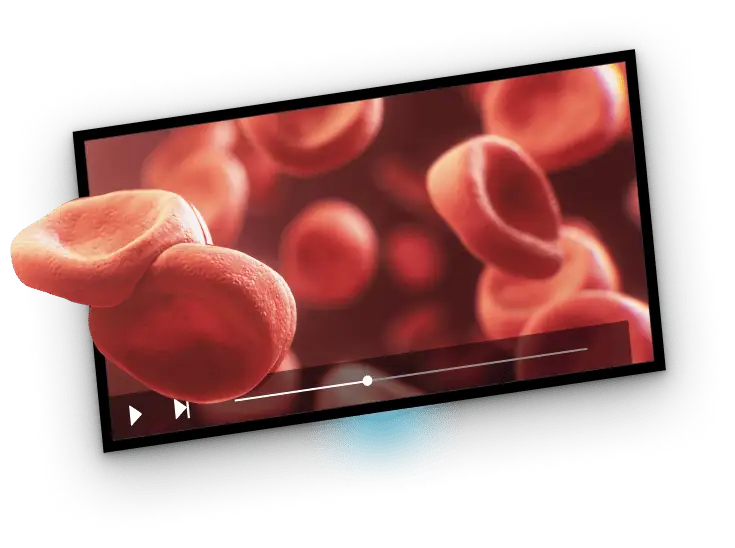
8.- Video Marketing: Video is one of the most effective ways to tell stories and connect with people. Video marketing can be used to create educational, promotional, and branding content.
9.- Chatbots and Virtual Assistants: Chatbots can provide quick answers to questions from patients and healthcare professionals, 24/7.
10.- Social Media Influencer Marketing: Social media is a fundamental channel for reaching target audiences. Influencer marketing can help increase a brand’s reach and visibility.
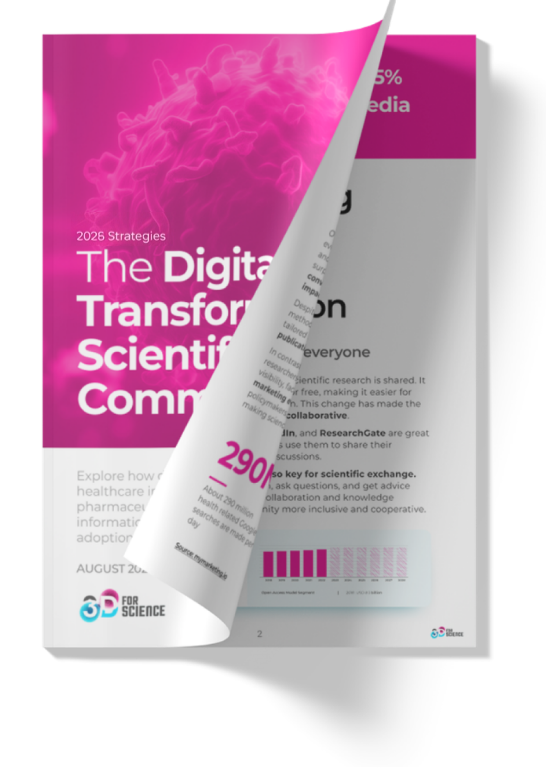
Get this free Guide with
5 key steps for The Digital Transformation
of Scientific Communication
Success Stories in Medical Communication
∙ Novartis: Used VR to create an immersive experience that allowed doctors to explore the inside of the human eye and better understand a new therapy.
∙ Johnson & Johnson: Employed AR to develop an app that enabled surgeons to visualize prosthetics before surgery.
∙ AccuVein: Developed an AR scanner that projects a map of the patient’s veins onto their skin, increasing the accuracy of venipunctures by 350%.
Conclusion
Currently, companies in the medical sector must adopt innovative technologies to remain competitive and connect effectively with their audiences.
The technologies we utilize in 3DforScience—3D animation, virtual reality, and augmented reality—offer great potential to enhance communication and marketing in the medical field by creating more immersive, personalized, and effective experiences.
Companies in the medical sector need to stay up-to-date with the latest trends and best practices to leverage the opportunities these technologies present fully.