Table of contents
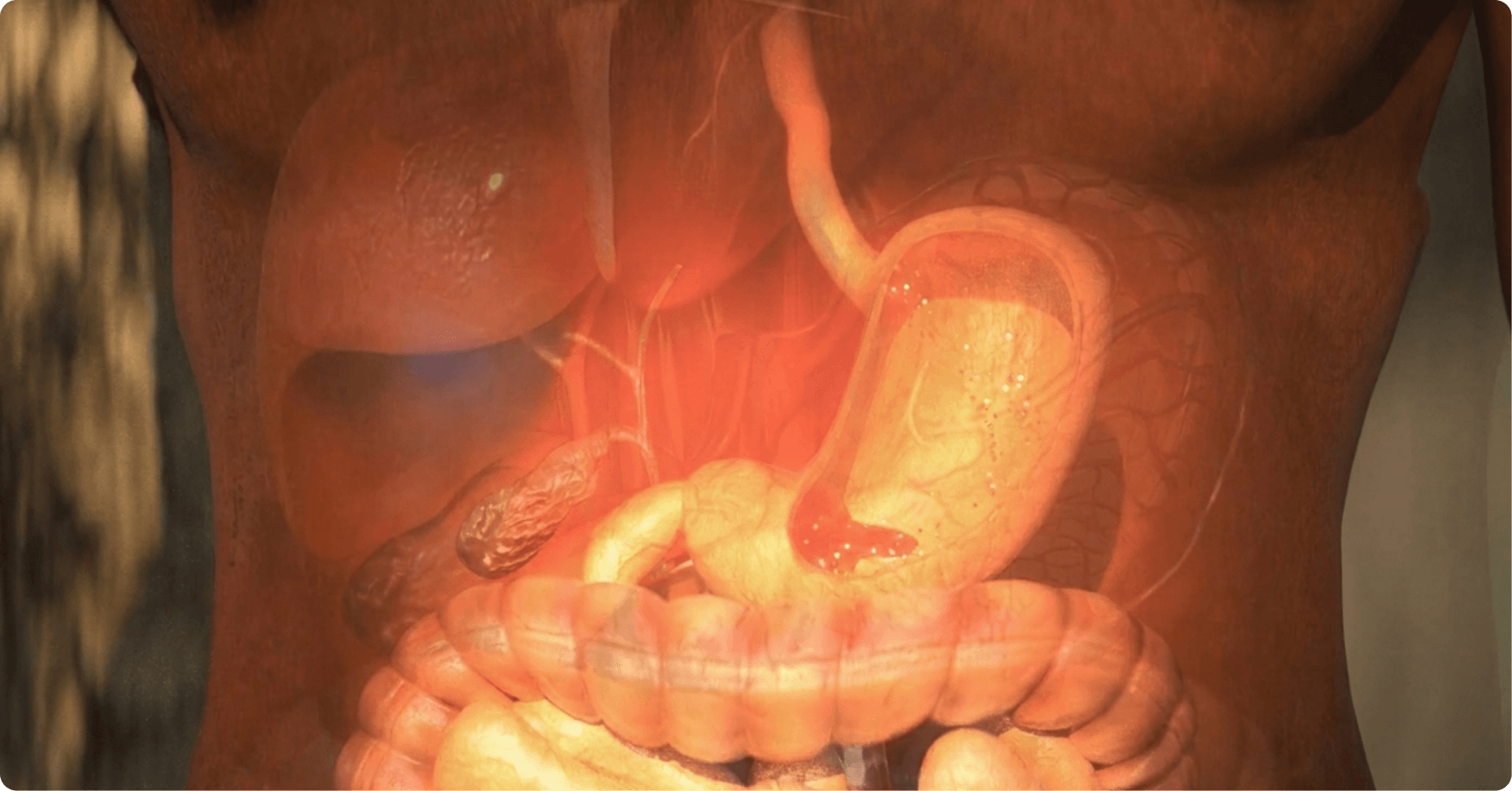
The relationship between patients and healthcare professionals is fundamental to successful treatment, yet there often exists a significant gap between specialized medical language and patient comprehension. This disconnect can lead to confusion, anxiety, and lower adherence to treatments. One effective solution to bridge this gap is the use of 3D medical animation, which simplifies complex medical concepts, making them more accessible and understandable for patients. By visually illustrating how treatments work and what they entail, 3D animations can enhance communication, reduce misinformation, and improve overall patient outcomes.
Are you interested in modular content and omnichannel materials?
The Impact of Misinformation on Patients
When patients do not fully understand their illnesses or treatments, various problems can arise:
∙ Non-adherence to treatment: A study conducted by the National Institutes of Health found that a lack of understanding about a disease or treatment is one of the main reasons why patients do not follow medical instructions.
∙ Increased anxiety and stress: Uncertainty about one’s health status can generate a high level of stress and anxiety in patients, which in the long run can delay their recovery.
∙ Informed medical decisions: Patients cannot make informed decisions about their health without adequate understanding.

How can we address this situation? The key is to make medical information accessible and understandable to everyone. This involves:
-
Continuing education: Implementing training programs for doctors to improve their communication and empathy skills.
-
Educational materials: Developing accessible and easy-to-understand informational resources for patients, such as brochures, videos, and mobile applications.
-
Consultation time: Allocating more time for consultations, allowing for a detailed explanation and resolution of doubts.
-
Active participation: Encouraging patient participation in treatment decision-making, providing clear information and options.
-
Psychological support: Offering emotional support services to help patients process medical information and manage associated stress.
-
Use of technology: Incorporating technological tools that facilitate the understanding of complex medical concepts through images that clearly illustrate the development of diseases and the function of treatments.
Get this free Guide with
5 key steps for The Digital Transformation
of Scientific Communication
The Power of 3D Animation in Healthcare Communication
Clinical 3D animation offers an innovative solution to misinformation. By visualizing biological processes clearly and concisely, 3D animation can:
∙ Simplify complex concepts: For example, a 3D model can show how a drug interacts with a diseased cell.
∙ Increase understanding: 3D medical animations support CBT (Cognitive Behavioral Therapy) by visually explaining complex mental health concepts, enhancing patients’ understanding of how thoughts affect behaviors. In a study made by Stanford Medicine of adults with both depression and obesity — a difficult-to-treat combination — cognitive behavioral therapy that focused on problem solving reduced depression in a third of patients.
∙ Generate empathy: By seeing a visual representation of a disease, patients can feel more connected to their condition.
∙ Facilitate decision-making: 3D animation can help patients understand treatment options and their potential consequences.

Benefits of 3D Animation in Patient-Doctor Communication
∙ Greater adherence to treatment: According to a study by the Cleveland Clinic, patients who received visual explanations of their treatments showed greater adherence to them.
∙ Improved patient experience: Clear and visual communication enhances patient satisfaction with medical care.
∙ Better clinical outcomes: A better understanding on the part of the patient can lead to better health outcomes.
The use of interactive visual tools in medical communication can increase patient comprehension and reduce anxiety related to medical procedures. Furthermore, a study published in the New England Journal of Medicine demonstrated that patients who received detailed visual explanations of their medical conditions experienced a faster recovery compared to those who received only verbal explanations.

Conclusion: Empowering Patients with 3D Visual Communication
Engaging patients in scientific communication through innovative tools like 3D clinical animation not only improves the doctor-patient relationship but also optimizes health outcomes. Providing patients with a clear and visual understanding of their condition and treatment empowers them to actively participate in their healing process, ultimately leading to better medical outcomes and greater satisfaction for both patients and healthcare professionals.
At 3DforScience we care about making these processes and treatments understandable for everyone and achieving greater efficiency. That’s why we build the necessary resources to create images that explain each topic.