Table of contents
Author: Javier M. Floren, Founder of 3DforScience
Are you interested in modular content and omnichannel materials?
Introduction: The Evolution of 3D Modeling in Healthcare
The evolution of 3D modeling in the life sciences has been nothing short of transformative. For years, simulations have provided invaluable insights, allowing researchers and clinicians to predict drug interactions, test medical device efficacy, and even visualize complex biological processes like those shown in detailed brain animation or a mitochondria cartoon for educational purposes. But what happens when these intricate 3D models transcend static representation and become dynamic, evolving entities? This is where the concept of the Digital Twin emerges, pushing the boundaries of what’s possible and heralding an era where 3D models become true “living systems.” This article will explore the crucial distinctions between simulations and digital twins and delve into the groundbreaking potential the latter holds for the future of medicine and healthcare video production.

Get this free Guide with
5 key steps for The Digital Transformation
of Scientific Communication
Understanding the Foundation: The Power of 3D Simulation in Healthcare
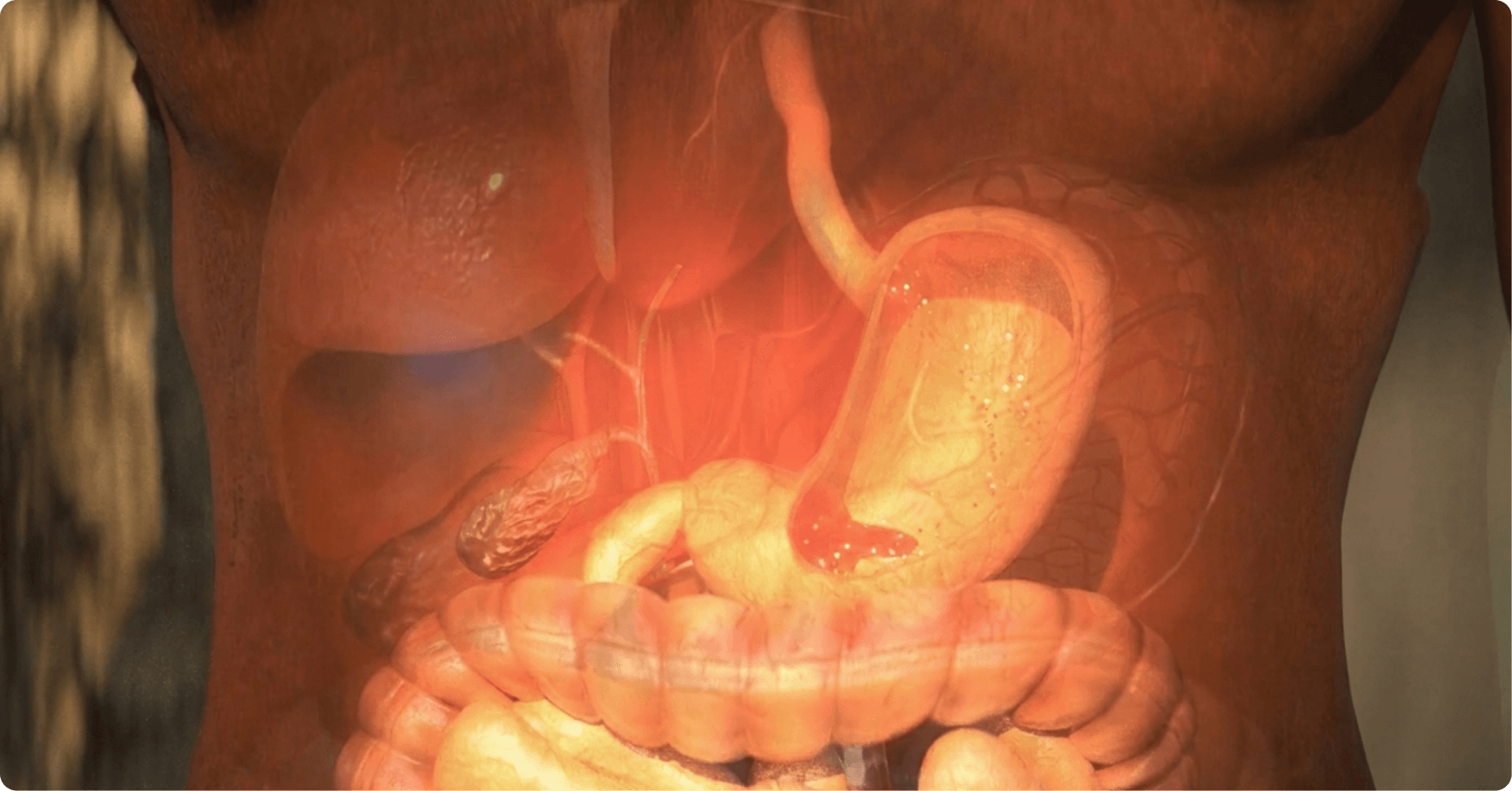
A simulation in healthcare is a computer-based model that mimics a biological process, the function of a medical device, or the progression of a disease. These models use mathematical algorithms and specific datasets to predict outcomes under various conditions. Examples are abundant:
-
Drug Development: Simulating molecular interactions to predict drug efficacy or toxicity.
-
Surgical Planning: Creating patient-specific anatomical models to rehearse complex procedures.
-
Medical Device Testing: Evaluating the performance of a new device, like a conceptual biobrace, under simulated physiological stresses.
-
Educational Tools: Using animations to explain intricate concepts, from cellular functions to the mechanism of action of new therapies.
The insights gained from these simulations are often communicated through compelling visuals, from detailed medical infographic designs to sophisticated medical video production that brings complex data to life.
Enter the Digital Twin: More Than Just a Model
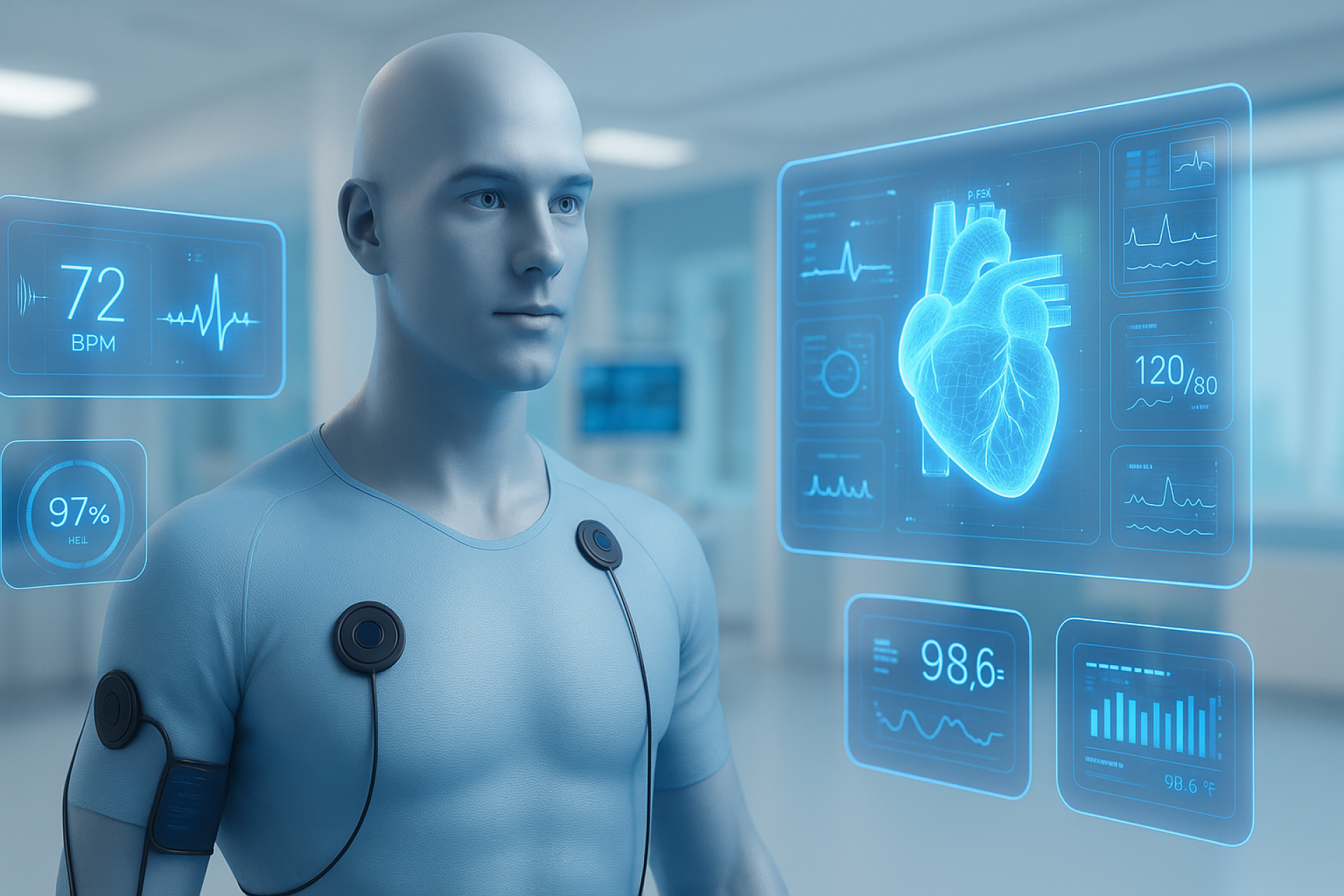
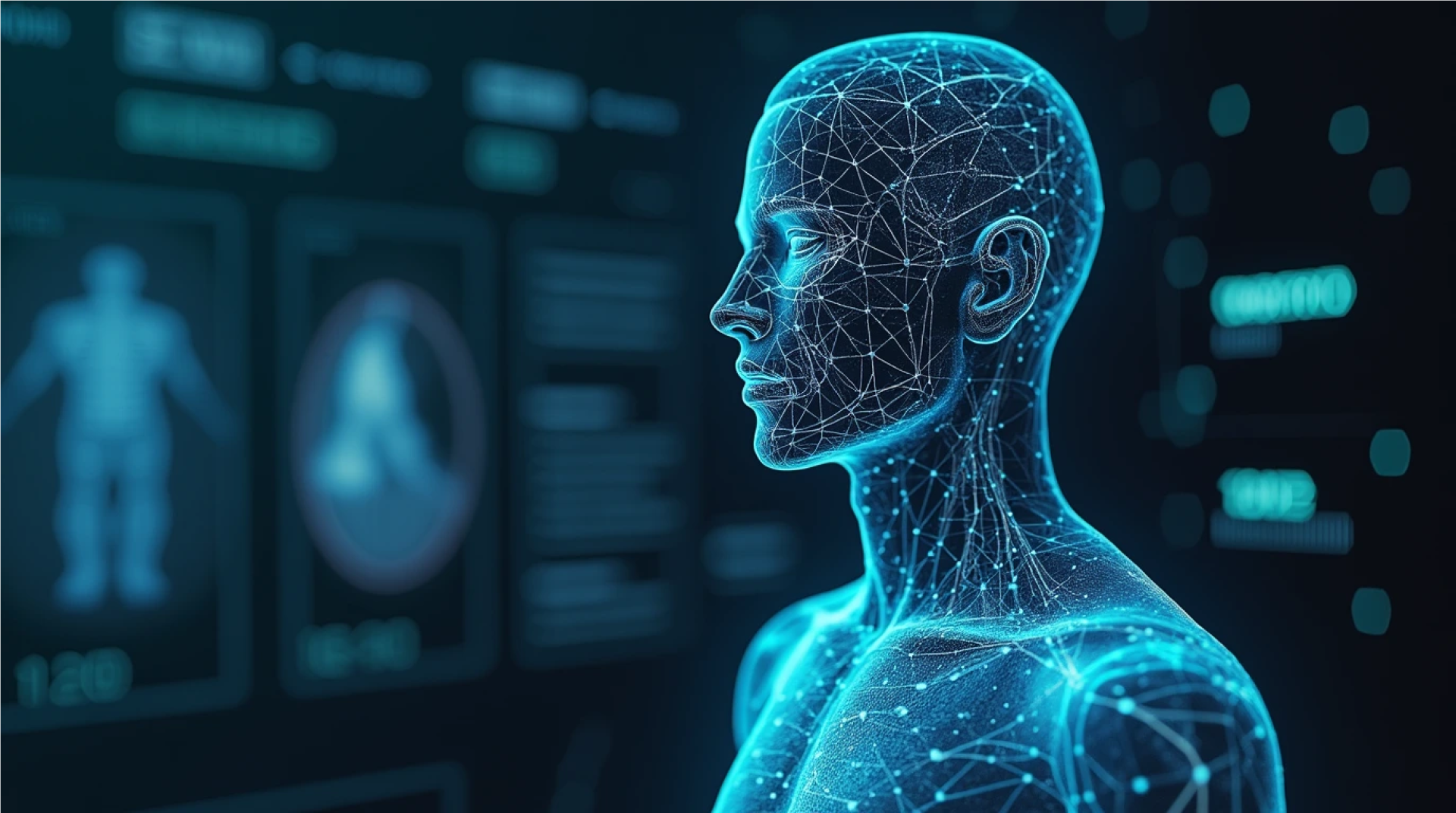
While a simulation offers a snapshot or prediction based on given inputs, a Digital Twin is a dynamic, virtual counterpart of a physical object, system, or even a patient, that is continuously updated with real-time data from its physical twin. This constant data feed – from sensors, medical records, imaging, or wearables – allows the digital twin to evolve and mirror the current state of its physical counterpart. It’s not just a model; it’s a living, learning system that can provide unprecedented insights and predictive power.
HealthTech Magazine “What Are Digital Twins and How Can They Be Used in Healthcare?”
The Transformative Potential of Digital Twins in Life Sciences
The applications of digital twins are poised to revolutionize healthcare:
-
Hyper-Personalized Medicine: Imagine a digital twin for every patient, enabling doctors to test therapies (e.g., new oncological drugs or advanced neuromodulation techniques) virtually before applying them physically, tailoring treatments for maximum efficacy and minimal side effects.
-
Accelerated Drug Discovery & Development: Model individual patient responses in virtual clinical trials, identify ideal candidates more quickly, and perhaps even predict the behavior of futuristic interventions like nanobots in medicine.
-
Enhanced Medical Device Performance: For a company like Biostage developing regenerative therapies or a firm designing advanced implants, a digital twin could monitor device performance in real-time post-implantation, predict maintenance needs, or optimize therapeutic delivery. This understanding is also crucial when considering selling medical equipment with advanced, data-driven features.
-
Revolutionized Surgical Training & Robotics: Surgeons could practice on a patient’s digital twin before an operation, or robotic systems could use the twin for enhanced real-time guidance.
-
Optimized Biomanufacturing: Create digital twins of bioreactors or entire manufacturing lines to monitor, control, and optimize the production of sensitive biologics.
Conclusion: From Static Blueprints to Dynamic Ecosystems
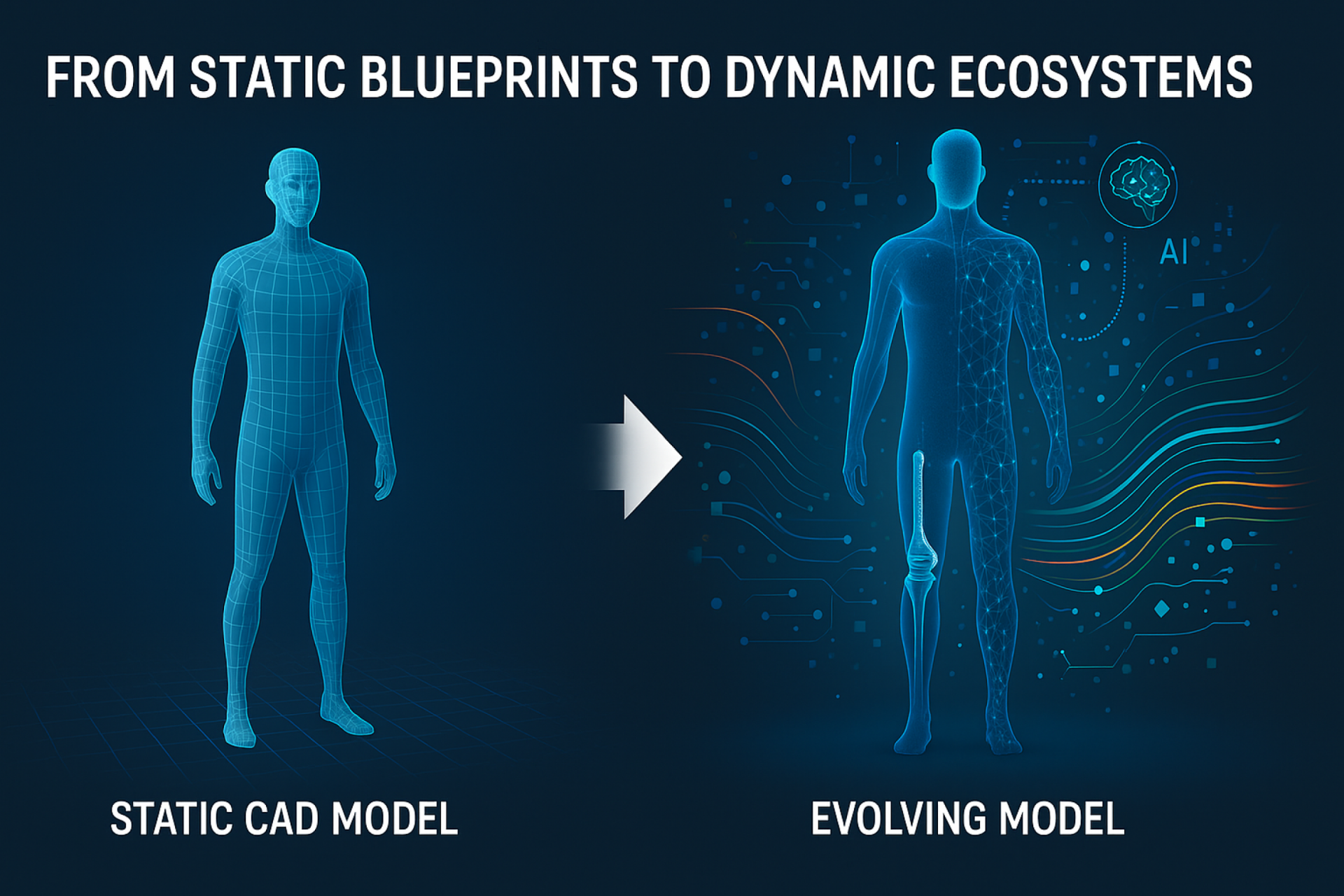
While 3D simulations remain incredibly valuable tools for prediction and understanding, Digital Twins represent a paradigm shift. They transform 3D models from static blueprints into dynamic, living ecosystems that learn, adapt, and offer profound insights in real-time. As we move towards an increasingly interconnected and personalized future of medicine, these evolving digital counterparts will be instrumental in driving innovation, improving patient outcomes, and redefining what’s possible in the life sciences.
3DforScience helps the future of medicine by continuously improving the production of medical animations, virtual reality, and augmented reality content.