Table of contents
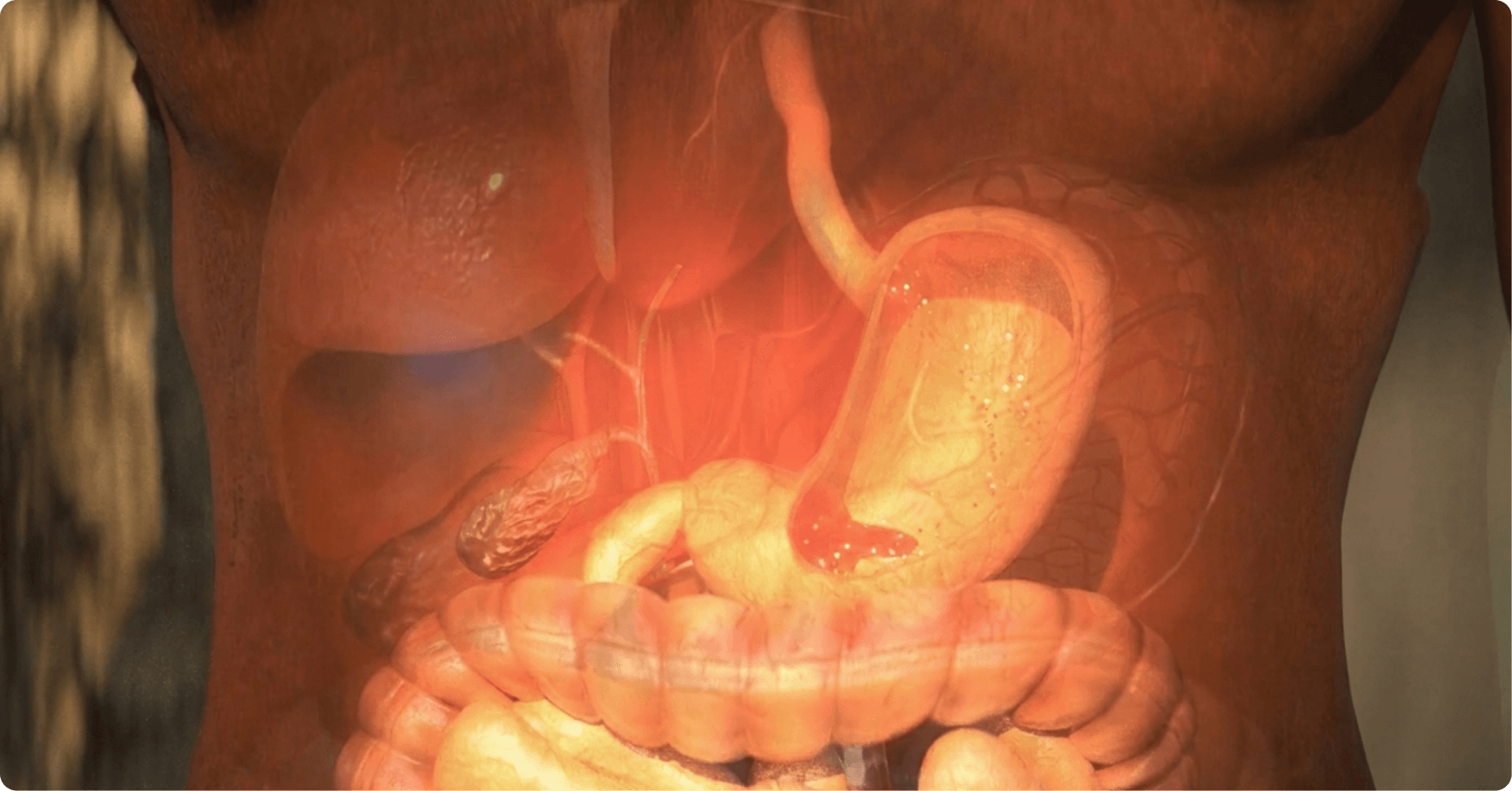
In a world that is constantly advancing technologically, effective communication and quick understanding of technical information are more crucial than ever. Medical animation has, therefore, become an invaluable tool for clinics and pharmaceutical companies, enhancing the understanding of diseases, treatments, and emerging technologies.
Here are five ways in which medical animation can help improve scientific communication and facilitate rapid understanding.
Are you interested in modular content and omnichannel materials?
1. Simplification of Complex Concepts:
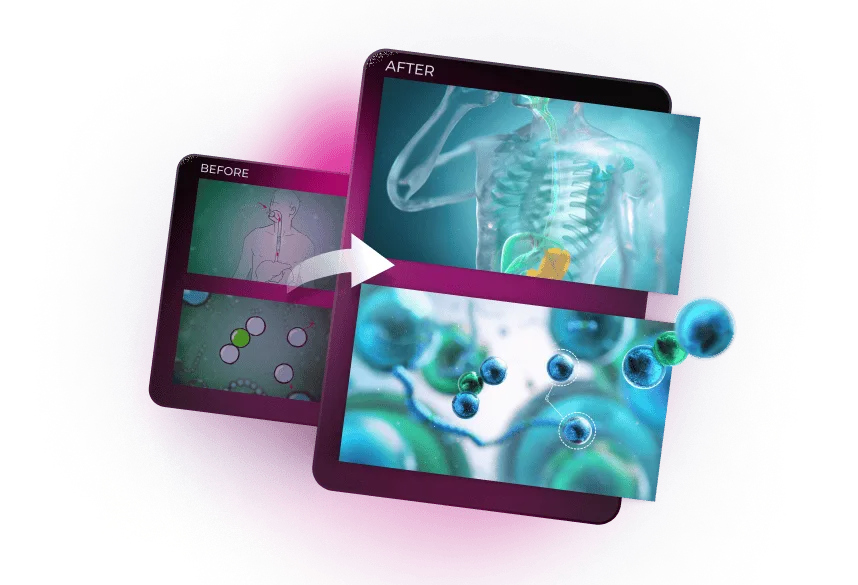
Animation allows for the visual representation of biological and medical processes in a clear and simplified manner. For instance, the progression of diseases like cancer or the mechanisms of action of a new drug can be more understandable through graphical representations, avoiding the confusion often created by technical terms.

Get this free Guide with
5 key steps for The Digital Transformation
of Scientific Communication
2. Patient Education:
Animations can provide patients with a more effective understanding of their health conditions and the possible treatments available. By visualizing how a medication interacts within the body, patients are informed about what to expect and how to react in certain situations. This is critical, as good patient education improves adaptation to treatments and positively affects health outcomes.
3. Training and Continued Education for Company Staff and Health Professionals:
The rapid pace of scientific discoveries and technological advancements makes it challenging for healthcare workers to stay updated with evidence-based health practices and policies (World Health Organization, 2021). Medical animation not only benefits patients but also plays a crucial role in the continued education of health professionals. Simulating surgical or diagnostic procedures allows doctors to visualize and practice new techniques in a safe environment, enhancing their confidence and competence.
4. Support for Clinical Decision-Making:
Animation can facilitate shared decision-making between doctors and patients. By presenting treatment options visually, patients can better assess the pros and cons based on their visual understanding, leading to more informed and thus satisfying decision-making.
5. Fostering Interaction and Engagement:
Visual tools are more engaging than brochures or static documents. Clinics can use animations in their mobile applications and websites to provide health information interactively. Beyond improving patient engagement, this creates a space for continuous discussion about their health and well-being.
Conclusion:
Medical animation is changing how medical information is presented and understood.
By adopting this technology, clinics and pharmaceutical companies can not only improve communication but also contribute to more effective and patient-centered healthcare, this is why at 3DforScience, we are committed to creating the resources needed to provide a clear, consistent understanding of complex scientific concepts to a wide range of audiences. We achieve this through medical animations, augmented reality, digital platforms, events, and printed publications.
Investing in medical animation is definitely an investment in the health of the future.