Table of contents
In recent years, 3D medical animation has become an integral part of healthcare education and ongoing professional training for healthcare workers. Institutions dedicated to medical education and specialized training programs are rapidly embracing these cutting-edge technologies to enhance comprehension of intricate medical concepts and accelerate learning processes. By utilizing 3D animation in healthcare education, students and professionals can visualize complex structures, simulate procedures, and gain a deeper understanding that traditional methods alone cannot provide.

Are you interested in modular content and omnichannel materials?
Key Benefits of 3D Animation in Medical Training
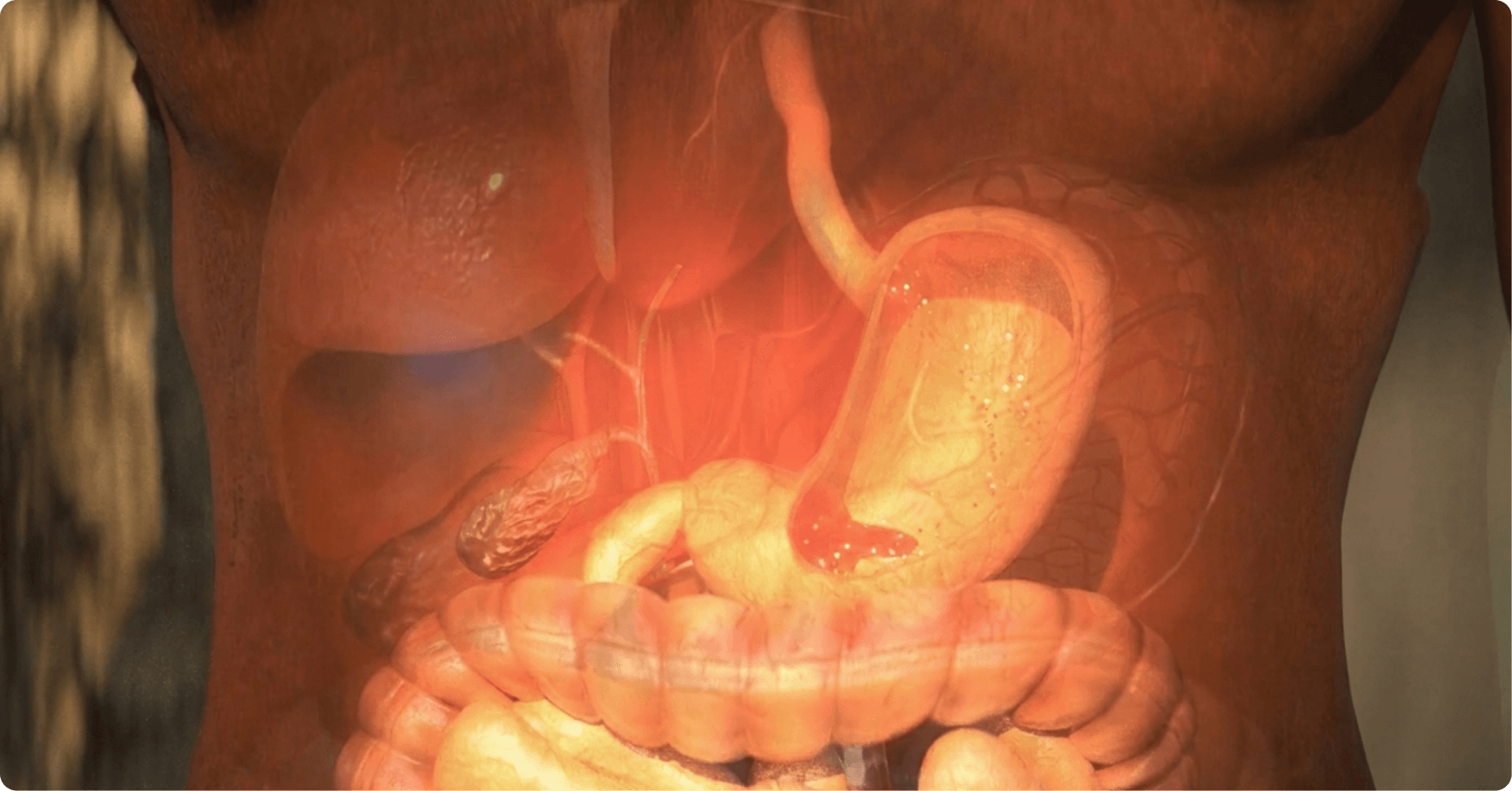
∙ Clear and Detailed Visualization: Using tools like 3D animations, offer students the ability to explore anatomical structures and physiological processes from multiple angles and with various levels of detail. This facilitates a deeper understanding of complex concepts.
∙ Simulated Procedures: Enable the simulation of surgeries and other medical procedures, allowing students to practice and develop skills before transitioning to real-life applications. This creates a safer and more effective learning environment.
∙ Reduced Learning Time: A study by the New York University revealed that students who utilized 3D animations and virtual reality (VR) reduced their learning time compared to those who relied on traditional teaching methods.
∙ Improved Retention: The same AAMC study found that long-term retention of information increased by 75% when students used these technologies as part of their learning.
∙ Personalized Learning: This digital tools can be tailored to meet the unique needs of individual students, offering a more personalized and efficient learning experience.
∙ Cost Reduction: By minimizing the need for physical anatomical models and cadavers, 3D animations can help educational institutions significantly lower their costs.

Get this free Guide with
5 key steps for The Digital Transformation
of Scientific Communication
Supporting Data and Case Studies
According to a study published in the Journal of Medical Education and Curricular Development, the use of 3D animations in anatomy classes led to a significant 22% improvement in student performance when compared to traditional instruction methods. This highlights how modern technology can enhance educational outcomes.
Additionally, leading medical institutions such as the Cleveland Clinic have successfully integrated 3D medical animations into their surgical training programs. The results have been remarkable: doctors trained with these tools showed a 22% increase in procedural accuracy and reduction in medical errors.
How 3D Animation Solves Common Challenges
∙ Improved Visualization: This technology allows for a comprehensive exploration of the human body, offering students a clear understanding of spatial relationships that can be difficult to achieve through textbooks or physical models.
∙ Cost-Effective and Accessible: This kind of resources provide a more affordable and accessible alternative to physical models, which can be costly and require extensive storage space.
∙ Enhanced Practical Skills: Professionals and students can engage in virtual simulations to practice medical procedures, building their confidence and skills in a safe, controlled environment before applying their knowledge in real-world situations.

The Growing Role of New Technologies in Medical Education
The integration of 3D medical animation and VR technology into medical education is on the rise. The AAMC reports that 65% of medical schools in the United States have already incorporated these technologies into their curricula. This rapid growth highlights the increasing recognition of the value of modern technologies in medical education and training.
Notably, the Harvard Medical School and Stanford University School of Medicine have both embraced the use of 3D animations in their programs, demonstrating how prestigious institutions are leading the way in adopting these tools for advanced learning and training.
Applications of Virtual Reality in Medical Training
∙ Surgical Simulations: This immersive experience prepares students for real-life operations with less risk. They can practice complex surgical procedures in realistic virtual environments, manipulating tissues and organs with virtual tools.
∙ Anatomy Visualization: Medical students can explore the human body in unprecedented detail, examining it from the perspective of surgeons, radiologists, or other specialists.
∙ Clinical Skills Training: Virtual environments simulate patient interactions, allowing students to develop crucial communication and decision-making skills, which are essential for practicing physicians.
Conclusion: The Future of Medical Education with 3D Animation
The use of 3D medical animation and virtual reality in both medical education and ongoing professional development is far from being a passing trend. In fact, it represents a growing necessity in a world that is becoming increasingly complex and technologically advanced.
At 3DforScience we believe that these tools not only enhance understanding for healthcare professionals but also contribute to improving precision, patient safety, and clinical performance overall; we are committed to providing high-quality tools to ensure this communication is clear and easy to understand.