Table of contents
The use of 3D medical animation in clinical trials is becoming an invaluable tool, significantly enhancing participant understanding, recruitment, and retention, while also providing an effective means of communicating results to investors and regulatory authorities. This technology not only simplifies complex concepts but also fosters transparency and confidence in the development of drugs and medical devices.
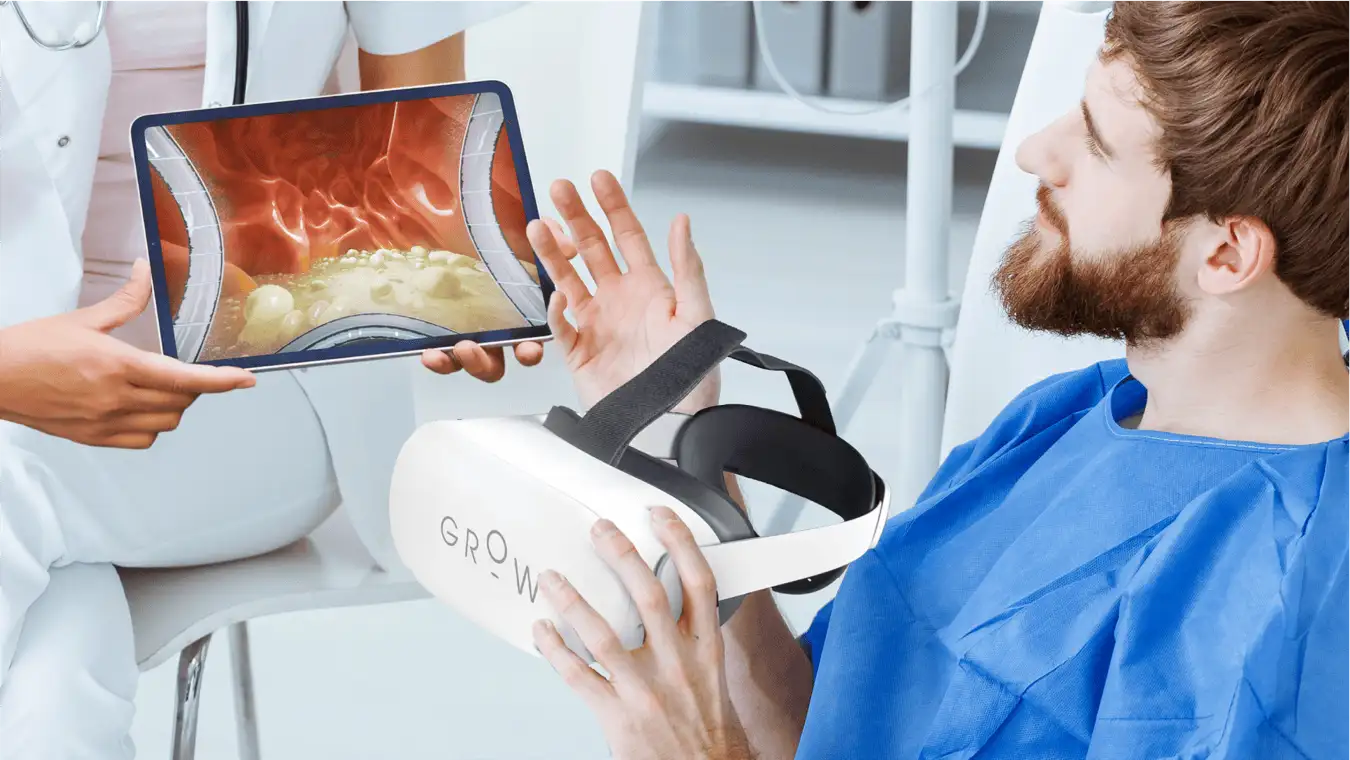
With the advancement of specialized software and the expertise of medical animators, it’s now possible to create realistic representations of organs, tissues, and molecular processes. This enables easier understanding of intricate mechanisms, such as a drug’s action at the cellular level.
Are you interested in modular content and omnichannel materials?
Best Practices in Using 3D Animation for Clinical Trials
-
Illustrating Study Design: Animations can vividly explain the trial’s design, including randomization, treatment groups, and procedures.
-
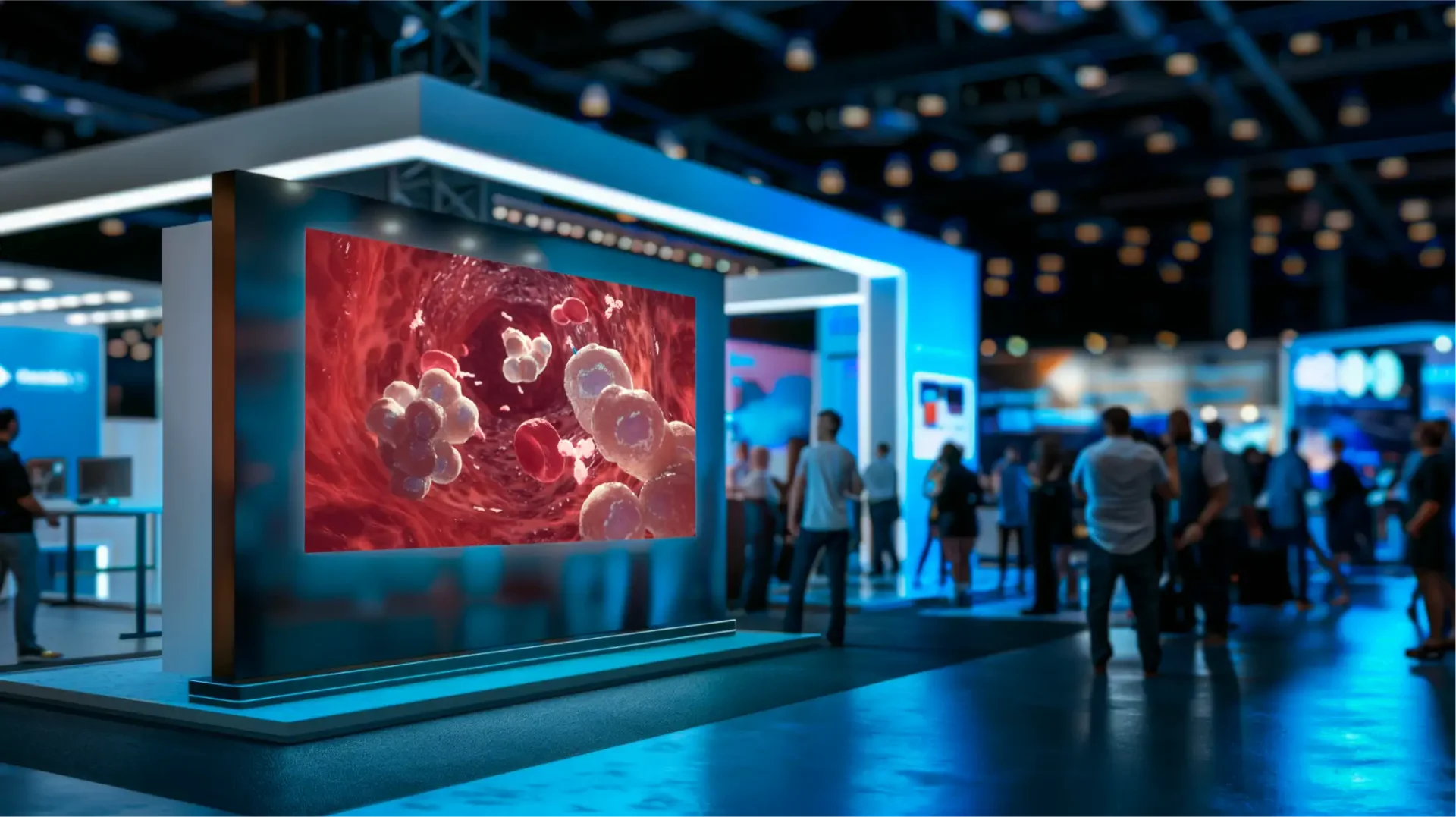
Visualizing Mechanisms of Action: Detailed animations can show how a drug or device interacts within the body. An example of this was the use of animation by Horsham, PA-based Nucleonics that managed to illustrate how the Nucleonics therapy targeted four different sequences of the hepatitis B virus genome to significantly disable the manufacture of specific proteins related to hepatitis B. hepatitis.
-
Demonstrating Procedures: By visually explaining specific procedures—such as sample collection or imaging—animations can reduce participant anxiety. An example of this was demonstrated in a study presented at the National Center for Biotechnology Information (NCBI) during tests conducted on children with leukemia undergoing chemotherapy treatment.
-
Communicating Risks and Benefits: Using 3D animations to clearly present the risks and benefits of trial participation has been shown to improve the informed consent process.
-
Presenting Results: 3D medical animation also can present trial results in a clear, accessible format. Animated charts could illustrate the drug’s influence on patient outcomes over time. This approach not only simplifies complex data but also makes the information more compelling and easier to understand.

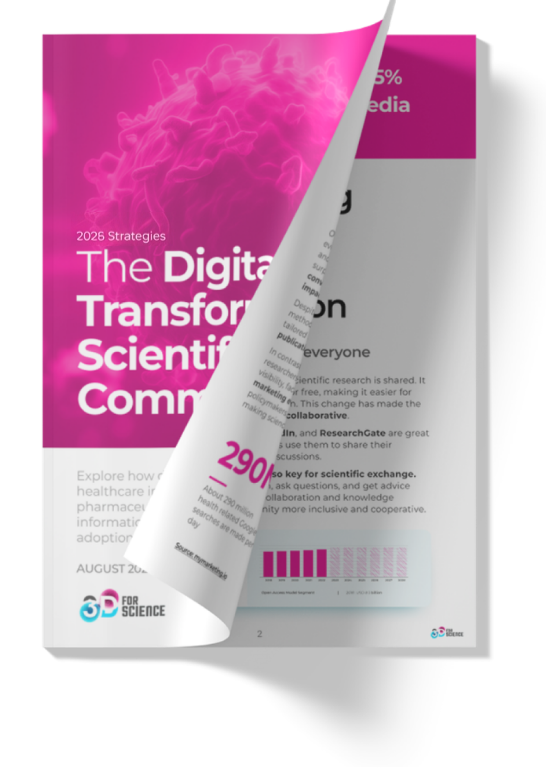
Get this free Guide with
5 key steps for The Digital Transformation
of Scientific Communication
The Future of 3D Animation in Clinical Trials and Product Development
With the growing adoption of visual technologies, the role of 3D animation in clinical trials is set to expand. By 2027, it’s estimated that 70% of pharmaceutical presentations will include some form of interactive medical animation. This trend will not only enhance investor interest but will also accelerate the development and approval of new treatments and devices.
Examples of 3D Animation Securing Investments
Moderna: During the development of its COVID-19 vaccine, Moderna used 3D animations to illustrate how its mRNA technology works at a cellular level. These visual tools simplified a complex biological process, helping investors quickly grasp the concept and resulting in significant funding for vaccine development.
Boston Scientific: The medical device company used 3D animations to demonstrate how one of its coronary stents functioned. These animations played a key role in investor presentations, helping secure funding for both the development and commercialization of the device.
Debiopharm Intake: in collaboration with 3dforScience, Debiopharm used 3D animation to present its molecule, Debio 1562M, designed to treat Acute Myeloid Leukemia (AML). The animation showcased how this molecule functions, helping attract investors by offering a clear visual explanation of its potential as a treatment for a rapidly progressing form of cancer.
- Establish strategic alliances:
Collaborating with patient organizations, academic institutions, and media can expand the reach and credibility of scientific messages. Use multi-sector alliances to increase the impact of public health initiatives. - Measure and optimize impact:
Using engagement metrics and sentiment analysis can help refine communication strategies. Publishing scientific articles and getting them widely shared on social media have a higher likelihood of being cited in academic literature.
Conclusion: The Essential Role of 3D Animation in Pharma and Biotech
3D medical animation is revolutionizing how clinical trials and pharmaceutical products are communicated. By simplifying complex ideas, improving retention, and fostering greater engagement among investors, it has become an indispensable tool in the pharmaceutical and biotechnology industries. At 3DforScience, we are constantly improving our 3D animated solutions to help companies secure investments, present innovations, and achieve impactful results that benefit stakeholders across the board.