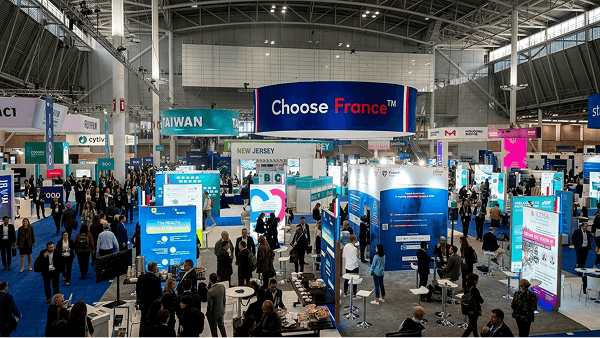
Industry events are built to showcase innovation: new technologies, ambitious pipelines, breakthrough platforms. Yet some of the most useful conversations never reach the main stage. They happen in fifteen-minute meetings, in the hallway between sessions, in quick exchanges at a crowded booth.
In conversations with biotech and pharma teams in San Diego, one theme kept resurfacing. Not the science itself- that was a given- but communication. Specifically, how to explain increasingly complex science so that very different audiences can actually follow it.
Teams would lay out their mechanism of action, their platform technology, the clinical rationale behind what they’re building. Then came the question that opened the real conversation:
How are you explaining this right now?
Are you interested in modular content and omnichannel materials?
From explaining the science to making it understood
Most teams already had materials in place: slide decks, diagrams, scientific presentations, internal assets built up over years. What many of them quietly questioned was whether any of it still worked.
More than one person pulled up an existing deck and named the same frustration: content that’s ideal for a scientific review falls flat almost everywhere else. A presentation designed to satisfy specialists rarely survives a business development meeting, an investor pitch, a congress conversation, or an educational session aimed at a broader audience.
So the need wasn’t more content. It was to redesign how the core ideas are communicated, so complex concepts land faster and stay longer.
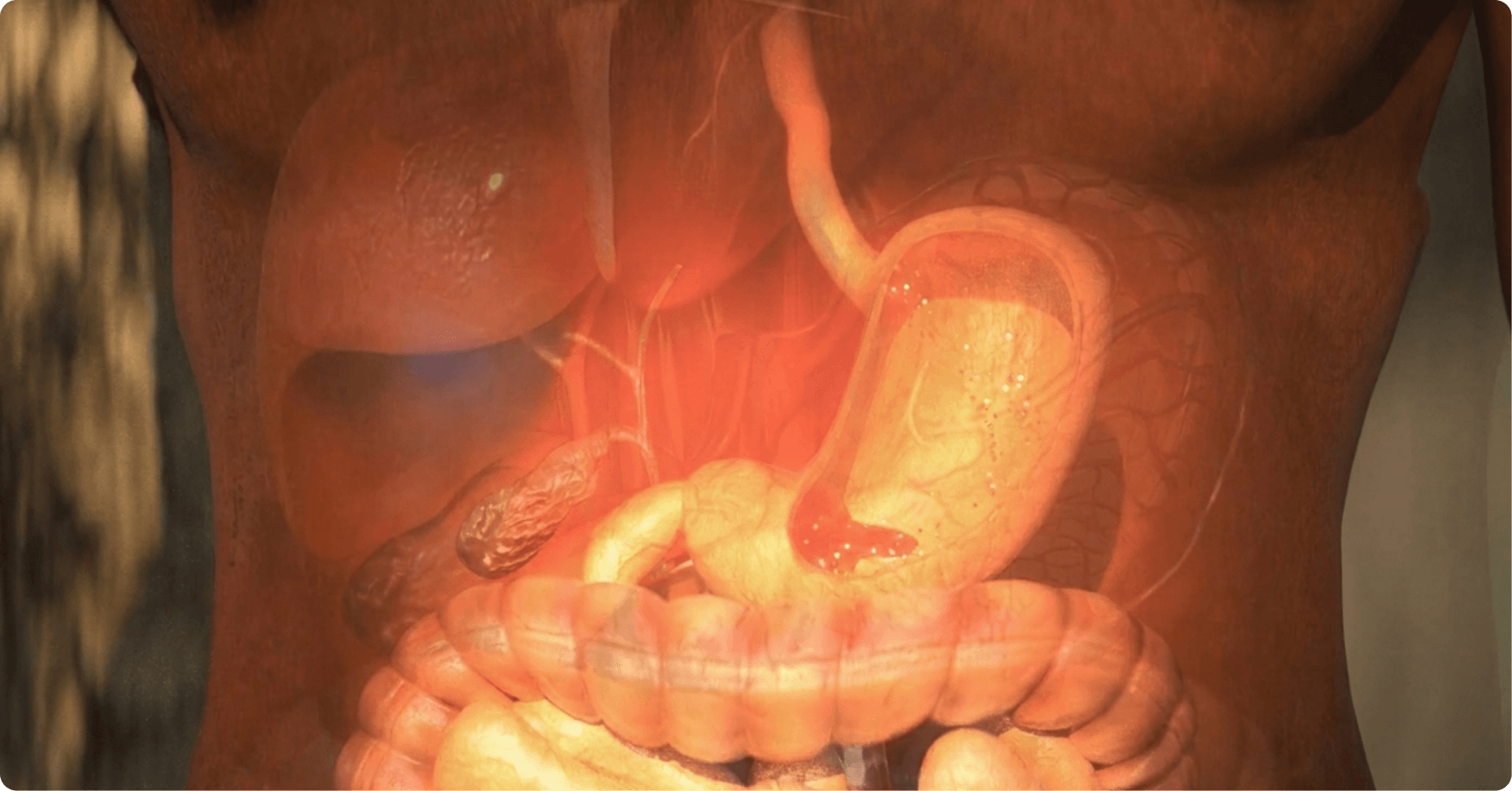
Video came up repeatedly as the format teams gravitate toward — not to replace presentations, but because it compresses complexity into something far easier to absorb. Motion, scientific storytelling, and visual structure can carry a mechanism or a value proposition in seconds, where a static slide often struggles to land at all.
This is where medical animation keeps earning its place: not as a visual add-on, but as a communication tool in its own right.
And a number of teams wanted to go further than new video. They pulled up the presentations they already rely on and asked to redesign them, so the visuals finally match the sophistication of the science behind them.
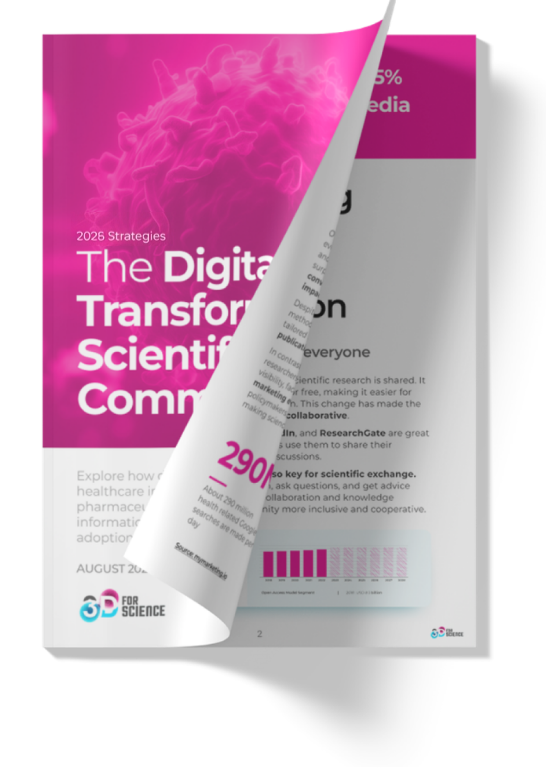
Get this free Guide with
5 key steps for The Digital Transformation
of Scientific Communication
The AI question everyone wanted to ask
If one subject surfaced in nearly every conversation, it was artificial intelligence. Teams wanted to know how AI is reshaping scientific communication, and whether generative tools are about to replace the way content has always been produced.
The interesting part was where those conversations went next: away from “automation versus people,” and toward AI-intelligent integration.
The most compelling use cases weren’t about replacing scientific expertise. They were about extending it: adapting one piece of content for several audiences, building interactive experiences, and shaping more personalized educational journeys.
That naturally led to avatars and real-time interaction. When the talk turned to how AI actually gets put to work, the most interesting answer wasn’t a generic chatbot — it was AI-powered avatars set inside 3D environments, where an audience explores a topic through guided interaction instead of passively sitting through it. The expertise doesn’t disappear; it becomes something people can navigate.
The same logic holds for production. AI can accelerate the workflow, but scientific rigor, narrative design, and high-quality medical animation services are still what turn complex information into something both meaningful and accurate.
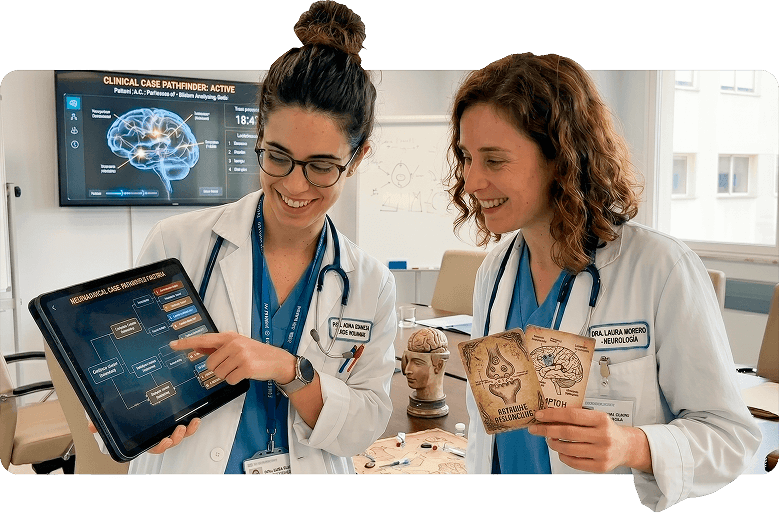
Communication is becoming part of the product
One impression stood out across almost every booth conversation: communication is moving closer to the center of innovation, rather than sitting beside it.
Companies pour enormous effort into developing breakthrough science. More and more, they recognize that its impact depends on whether anyone outside the lab can understand it.
As the technology grows more sophisticated, the bar for explaining it rises with it. Video, redesigned presentations, medical animation, interactive experiences, AI-assisted workflows, avatars — none of these are experiments anymore. They’re becoming the practical toolkit for helping science travel further.
And maybe that was the real takeaway from San Diego:
Teams have stopped asking whether they should evolve how they communicate.
They’re asking how fast they can do it.