Every year, BIO conferences bring together thousands of professionals from biotech, pharma, academia, and healthcare innovation. While the technologies on display continue to evolve at an extraordinary pace, many of the communication challenges discussed in meetings, networking sessions, and conference corridors remain surprisingly consistent.
Across conversations with biotech founders, medical affairs leaders, business development teams, and investors, three themes emerged repeatedly: communicating complexity, standing out in an increasingly crowded innovation landscape, and finding practical ways to integrate AI into scientific communications.
These challenges are not new, but they are becoming more urgent as the volume of scientific information continues to grow.
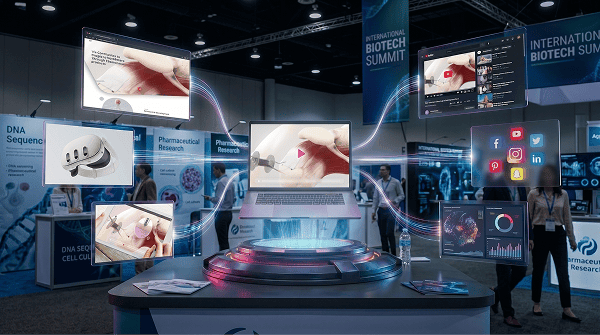
Are you interested in modular content and omnichannel materials?
Explaining complex science to diverse audiences
One of the most common frustrations we heard was the difficulty of communicating highly technical concepts to stakeholders with very different levels of scientific expertise.
A single innovation may need to be explained to researchers, clinicians, investors, partners, regulators, and patients. Each audience requires a different level of detail and a different narrative approach. The challenge is not simplifying the science, but making it accessible without sacrificing accuracy.
This issue is particularly evident in emerging fields such as AI-driven drug discovery, cell and gene therapies, RNA technologies, and novel therapeutic modalities, where the science itself is evolving rapidly.
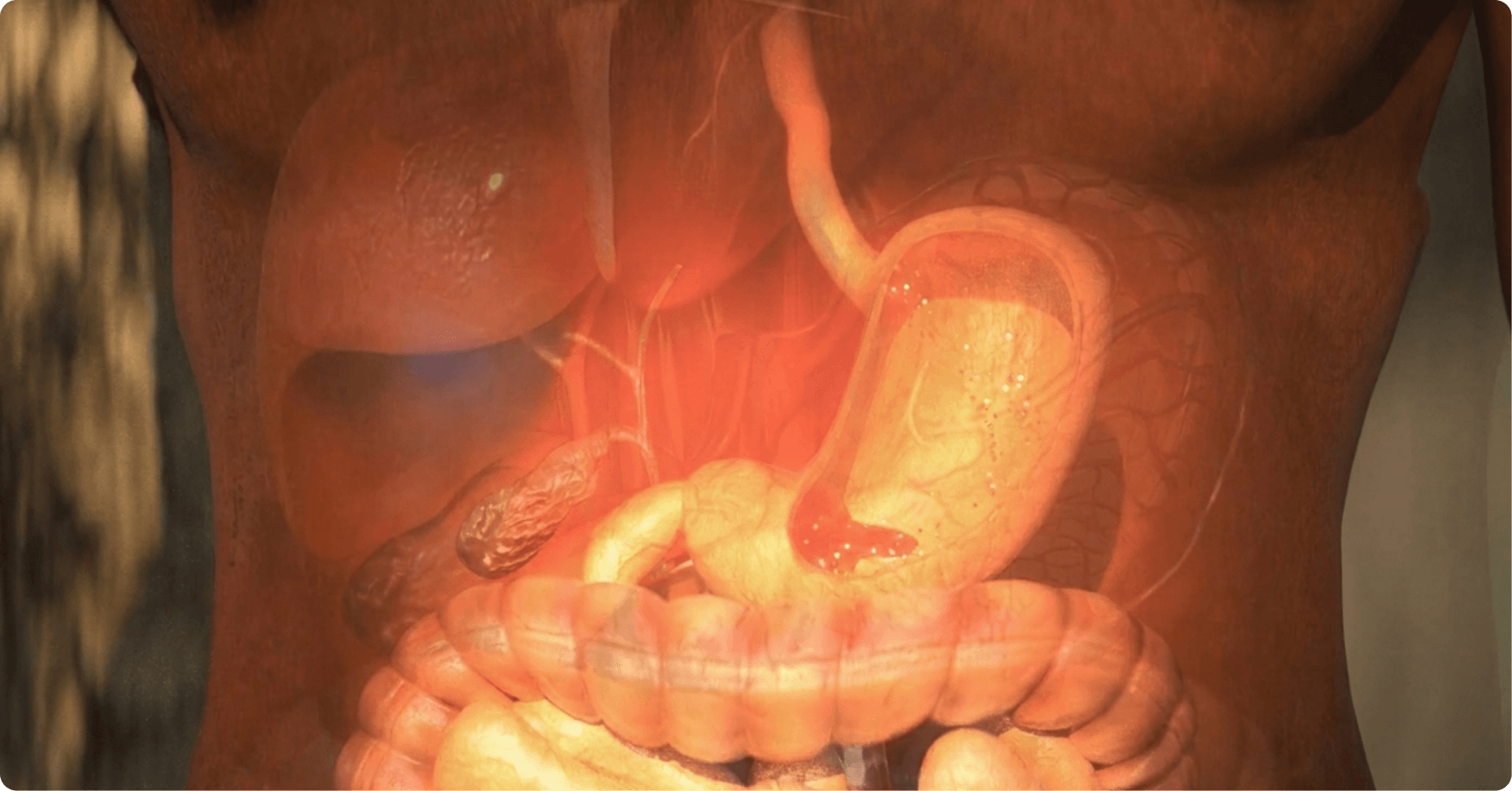
BIO sessions focused on AI and advanced therapeutic platforms repeatedly highlighted the need for clearer communication between technical experts and decision-makers. For many organizations, visual storytelling through scientific animation and interactive content is becoming an increasingly important way to bridge this gap.
Get this free Guide with
5 key steps for The Digital Transformation
of Scientific Communication
Standing out in a crowded innovation ecosystem
Another recurring theme was visibility. The biotech sector has never been more innovative, but it has also never been more crowded.
At events such as BIO International Convention, attendees are exposed to hundreds of companies, technologies, and scientific presentations over just a few days. In this environment, having strong science is no longer enough. Organizations must also communicate their value proposition quickly and memorably.
Many teams expressed concern that groundbreaking science can easily get lost in a sea of presentations, posters, and data-heavy slides. As a result, there is growing interest in communication formats that combine scientific rigor with compelling storytelling.
This challenge is particularly relevant for early-stage biotech companies seeking partnerships or investment. Several BIO discussions emphasized the importance of translating scientific innovation into narratives that clearly communicate clinical relevance, differentiation, and future potential.
Moving from AI hype to practical communication solutions
Artificial intelligence was impossible to ignore at BIO events. However, beyond the excitement surrounding AI-powered drug discovery, many conversations focused on a more practical question: how can AI improve scientific communication itself?
Medical affairs and communications teams are increasingly dealing with enormous volumes of data, content adaptation requests, and audience-specific communication needs. The challenge is not generating more information, but transforming existing information into formats that different stakeholders can understand and use.
Industry discussions revealed a growing interest in AI tools that support content personalization, accelerate content production, and help scientific teams manage communication workflows more efficiently.
At the same time, concerns around accuracy, oversight, and scientific credibility remain central to adoption decisions. The consensus was clear: AI is moving beyond experimentation, but success will depend on combining technological capabilities with strong scientific communication principles.

Conclusion: communication is becoming a strategic differentiator
If there was one message repeated throughout BIO events, it was that scientific communication is no longer a supporting function. It has become a strategic capability.
As science becomes more complex and audiences become more diverse, organizations must find better ways to communicate innovation, build understanding, and create engagement. Whether through medical animation, AI-powered content experiences, interactive learning platforms, or visual storytelling, the companies that communicate science effectively will be better positioned to attract partners, investors, healthcare professionals, and ultimately patients.
The science may be advancing faster than ever, but its impact still depends on one fundamental challenge: helping people understand it.