Are you interested in modular content and omnichannel materials?
Partnering challenges at CPHI: your 15-minute window to win over strategic partners and decision-makers
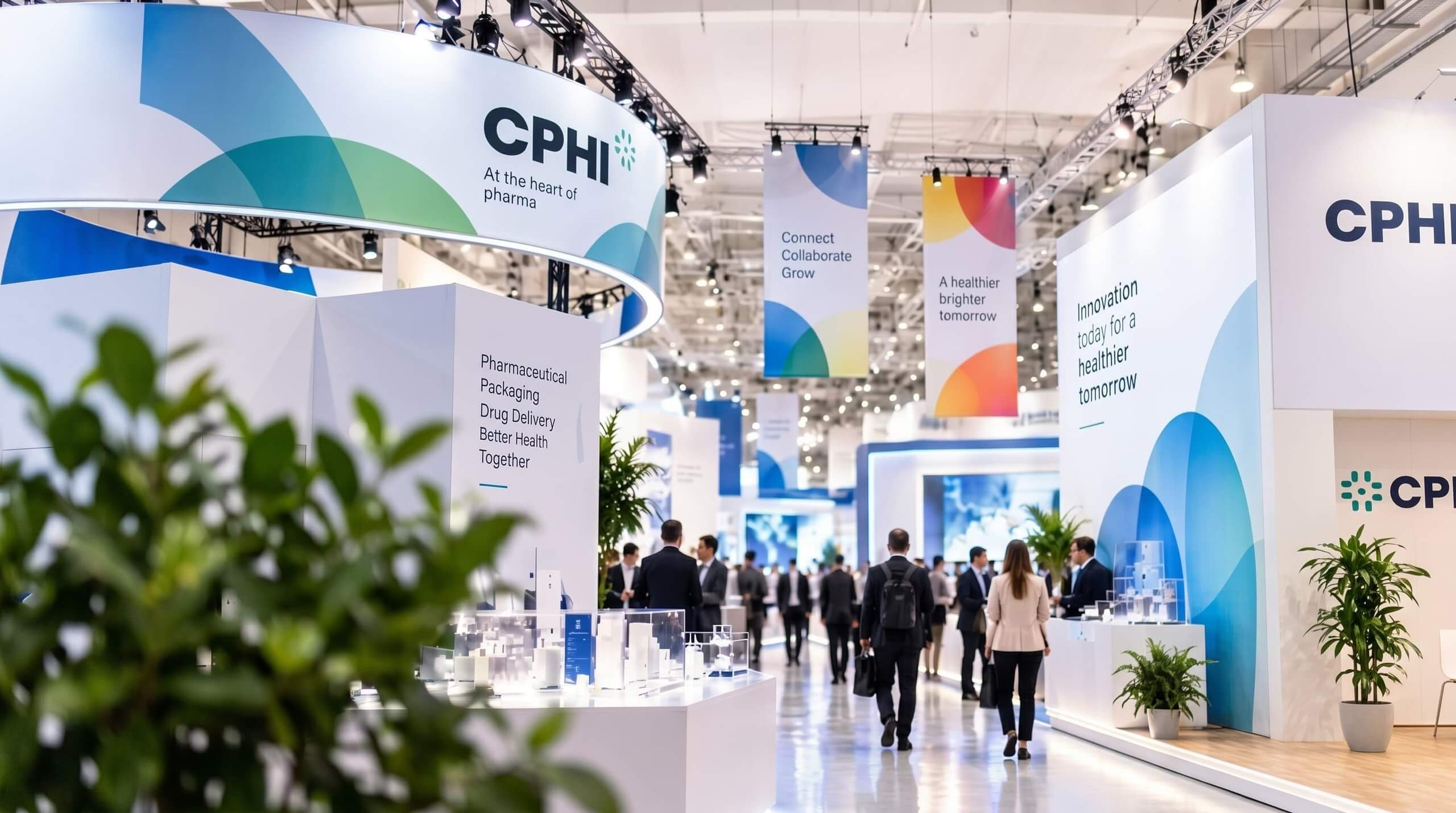
A B2B matchmaking meeting at CPHI is won or lost long before the handshake. You get a pre-booked table, a counterpart who has skimmed your profile in an app and about 15 useful minutes once introductions are done.
In that window, a pharma business development lead, a CDMO executive, a licensing scout or an investor has to decide one thing: that you deserve a second meeting.
This guide is for biotech startups, technology platforms, CDMOs and suppliers heading to CPHI Milan. It covers how matchmaking works, how to choose and prepare meetings, how to use the 15 minutes, how to make your science understood at first sight and how to follow up so a polite conversation becomes a qualified opportunity.
Get this free Guide with
5 key steps for The Digital Transformation
of Scientific Communication
How B2B matchmaking works at CPHI Milan
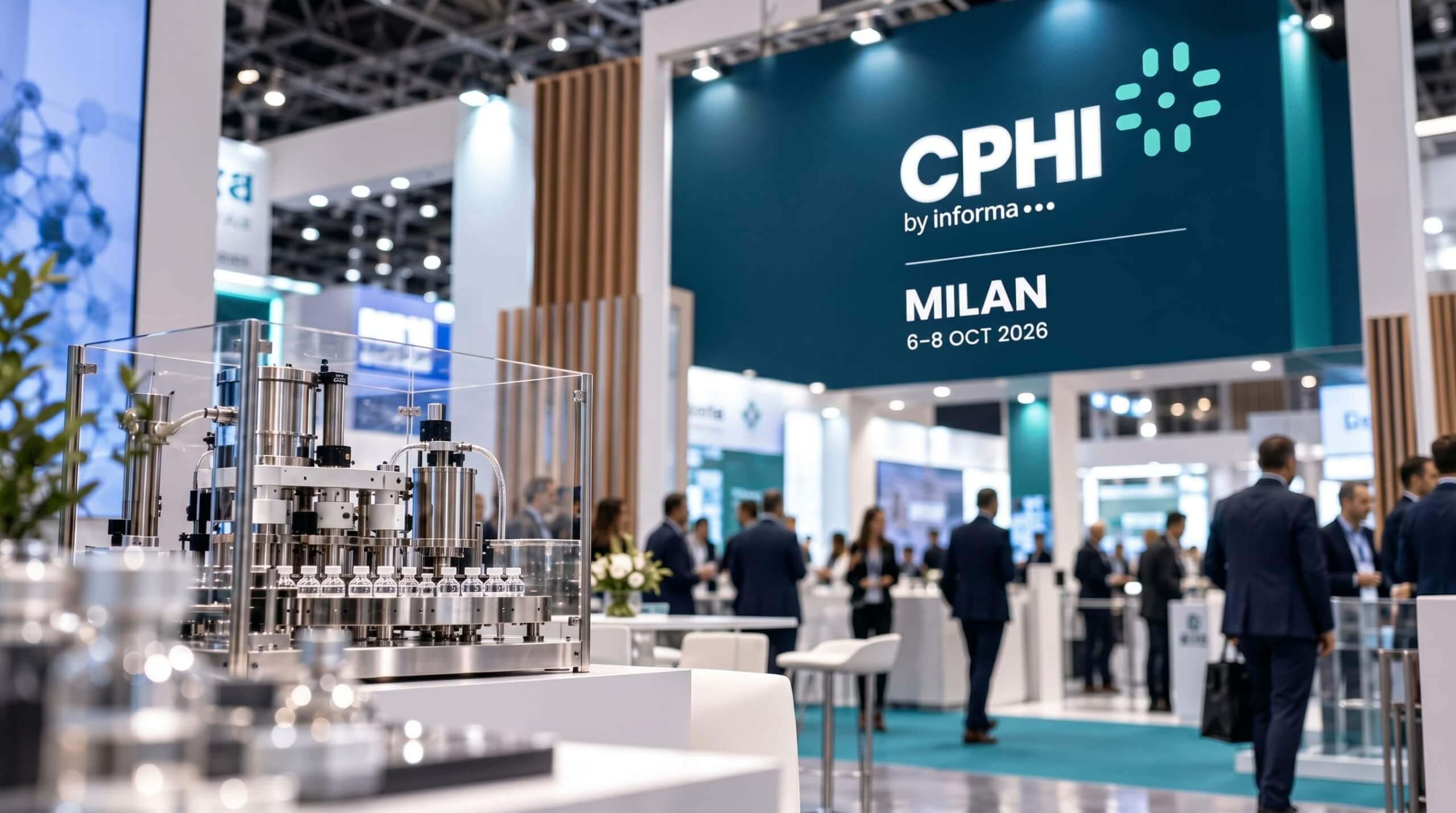
CPHI Milan 2026 runs from 6 to 8 October at Fiera Milano, and organiser Informa Markets expects more than 70,000 attendees, its biggest edition to date.
That scale turns CPHI into a partnering marathon in three stages:
- Profile and outreach. Weeks before the show, attendees complete a profile in the CPHI Event Planner app, search exhibitors and request meetings. Before the 2024 edition, users booked more than 2,200 meetings, according to CPHI.
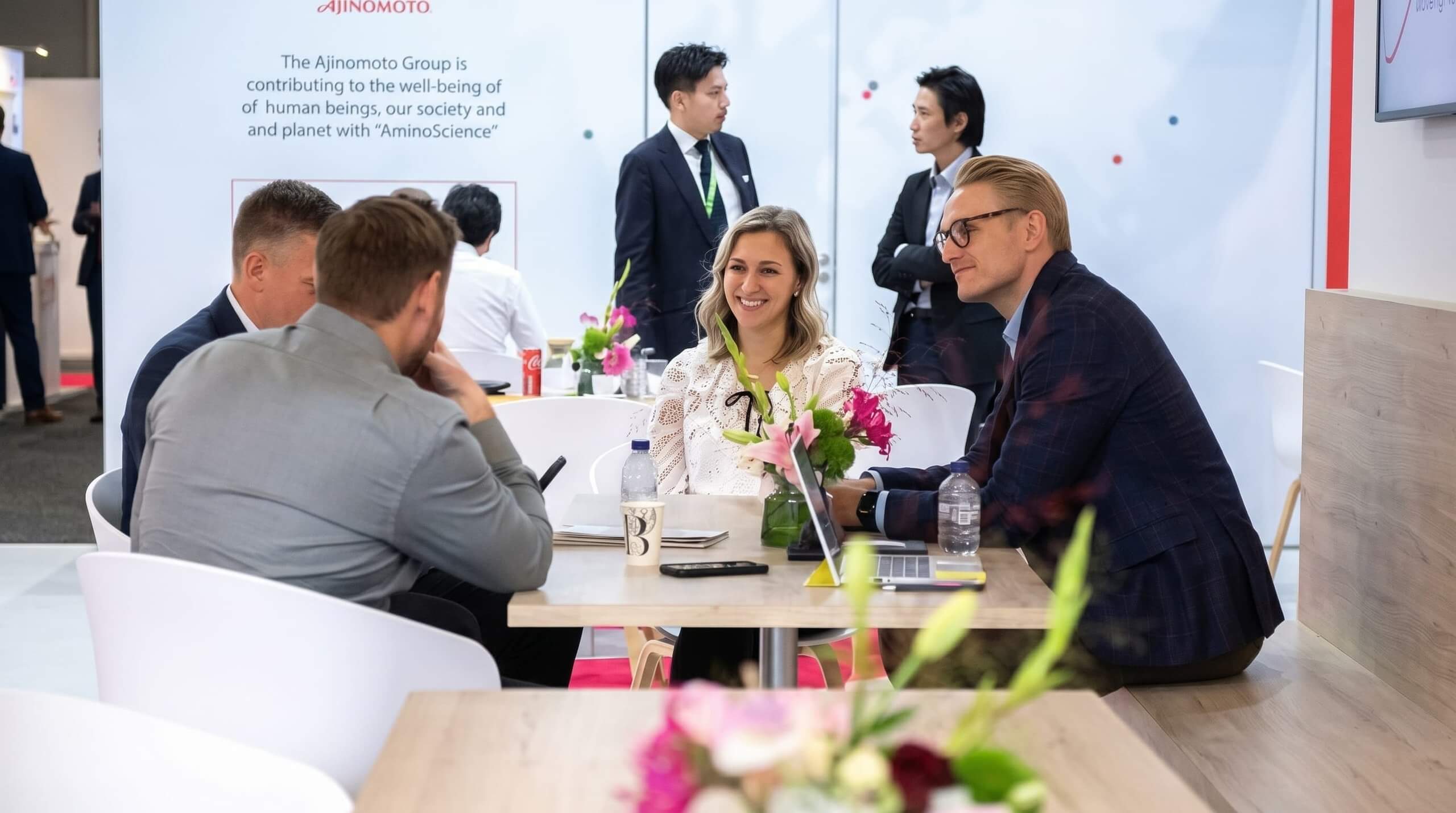
- A slot and a table. Accepted meetings get fixed slots, typically 20 or 30 minutes, at pre-assigned tables in areas such as the Match & Meet networking zone or the Networking Lounge, as listed on the CPHI Milan pass options page. Premium passes add curated matchmaking powered by Newbridge.
- Back-to-back conversations. A BD director may run a full diary of consecutive meetings, so every slot competes with the one before and after it in your counterpart’s memory.
Subtract the walk to the table, introductions and the previous meeting’s overrun, and a 20 to 30 minute slot leaves roughly 15 minutes of real persuasion.
Before the show: qualify the meeting before you book it
The best way to get qualified opportunities from matchmaking is to book only meetings that can become one. A diary full of poor fits leaves less energy for the five conversations that matter.
In a 2025 McKinsey analysis of biopharma dealmaking, Bart Van de Vyver and colleagues found that the most successful companies are selective rather than opportunistic: they focus on specific therapeutic areas and pathways, use that expertise to identify stronger external opportunities, and avoid a “shotgun approach” to partnerships (External innovation: Biopharma dealmaking to boost R&D productivity).
The same applies to suppliers preparing for CPHI Milan: a pharma company with no injectable pipeline is not a prospect for your prefilled syringe platform, however senior its delegate.
Know who is sitting across the table
| Counterpart | What they need to hear early | A signal the meeting is qualified |
| Big pharma | That you solve a real problem and fit neatly into their current pipeline. | They introduce you to a specific person on their internal team to keep things moving (even better if they set a deadline). |
| Manufacturers & Suppliers (CDMOs/CMOs) | Clear numbers: how much is needed, by when, and the exact technical specs. | They send a formal request for a quote (an RFP). |
| Licensing & alliance leads | A clear scope, who owns the IP, and what the deal structure might look like. | They ask you to sign an NDA so you can safely share sensitive details. |
| Investor or corporate venture fund | Your solution to a clear problem, a solid team, and the real value of the project. | They ask for the numbers. |
Prepare a one-page brief for every meeting
For each slot, note who you are meeting and what their company has recently licensed, invested in or outsourced; the single next step you want; three questions on need, timing and who decides; and the visual you will open with.
Dennis J. Purcell of Aisling Capital, quoted by Informa Connect, noted that his firm saw 600 to 700 pitches a year and that the point of a first meeting is to earn a second one. Build your brief around that second meeting.
Inside the meeting: how to use the 15-minute window
A matchmaking meeting is a two-way qualification conversation, not a compressed conference talk. A structure that works for partners, suppliers and investors alike:
- Minutes 0 to 2: the hook. Who you are, the problem you solve and why this counterpart specifically.
- Minutes 2 to 5: show, do not tell. Open your strongest presentation (MoA video, platform, device or process) and let them react.
- Minutes 5 to 10: their agenda. Ask what they need this year, what failed with past partners and who else decides.
- Minutes 10 to 13: tailored proof. Answer with the data or capability that matches what they just said, not your next slide.
- Minutes 13 to 15: lock the next step. Agree what happens next, who owns it and by when. Without a dated next step, it is a contact, not an opportunity.
Resist covering everything. Investors named too much detail and over-promising as the two biggest turnoffs, and the piece concludes that the best decks run about five slides because the deal happens in the questions. They also added that if it does not feel like a conversation, it is not going well.
The human side matters as much, because people won’t remember each detail, but they will remember how you made them feel, and people do deals with people they like.
Showing the science: make it understandable at first sight
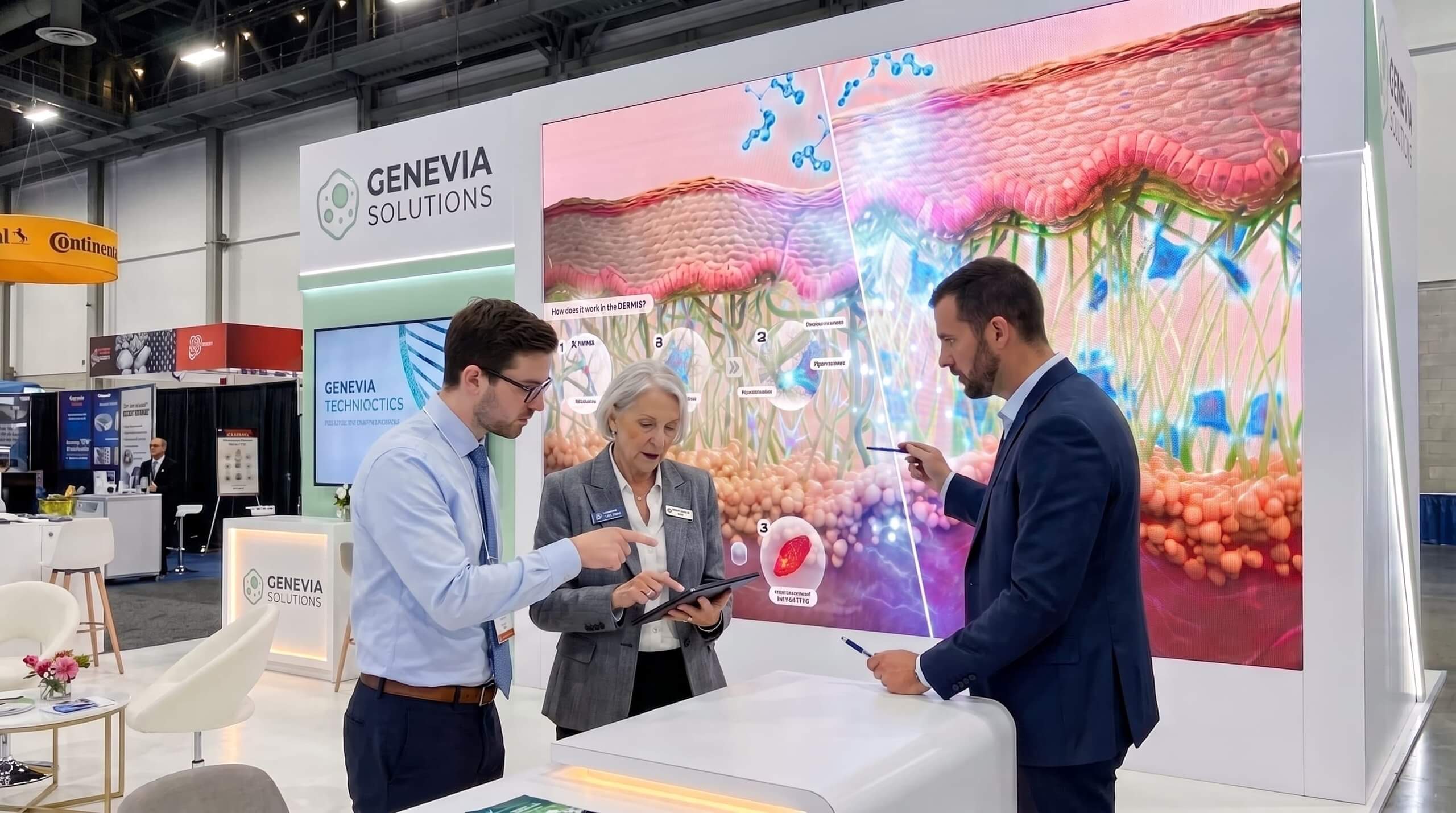
In a back-to-back schedule, the fastest route to understanding is visual. A team led by Mary Potter, professor of brain and cognitive sciences at MIT, found that the brain can identify an image seen for as little as 13 milliseconds; Potter concluded that “what vision does is find concepts” (MIT News). A mechanism that takes three slides to describe can be grasped in seconds when it is shown.
This matters most when your counterpart is not a specialist. If a BD director, a CDMO procurement lead or a generalist investor cannot picture your science, they cannot sell it internally, and the opportunity dies after a good meeting.
Visual assets that work at a CPHI meeting table
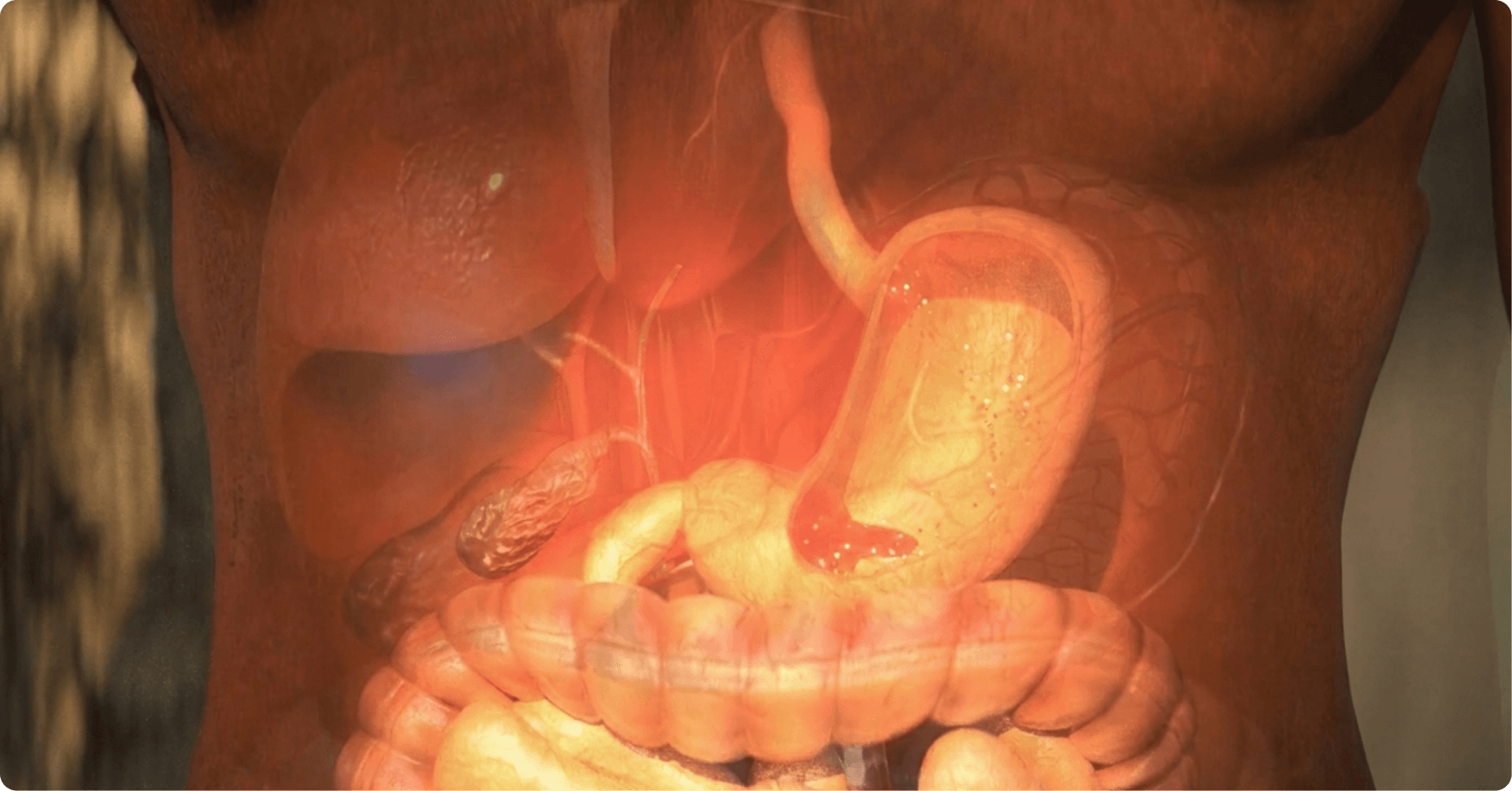
- A 60-90 second mechanism of action or platform animation, silent with on-screen labels for noisy partnering areas.
- Interactive 3D or AR on a tablet, so your counterpart can rotate a molecule or section a device and the pitch becomes a conversation.
- Process and device animations for CDMOs, equipment makers and packaging suppliers, linking plant scale and molecular scale.
- Two versions of the same story, for scientific and for business audiences, as we did for N4 Pharma’s Nuvec silica nanoparticle.
- Key still frames for your app profile, one-pager and follow-up email.
Upload these assets to your Event Planner profile before the show. Presenting products inside the app gives your company an advantage in booking meetings.
After the meeting: from conversation to qualified opportunity
A meeting is a qualified opportunity when five things are true: strategic fit, a stated need, an identified decision-maker or champion, a realistic timeline and a dated next step. Score every CPHI meeting against them the same evening and move only those that pass into your pipeline.
A follow-up sequence that keeps momentum
- Within 24 hours. A short, personal email recapping what they told you, confirming the next step and attaching the visual that anchored the conversation. Remember, a 60-second animation travels further inside an organisation than a 30-slide PDF.
- Within one week. Deliver what you promised: deck, data sheet, request for proposal or confidentiality agreement. Speed is itself a qualification signal.
- Within 30 days. Hold the second meeting with the people who were not at the table: scientists, technical operations, procurement or an investment partner.
Your contact rarely decides alone. Inside large pharma, BD and scientific teams must first make the case to the executive team, sometimes to the board, so build follow-up material that someone else can present. Also, a no in biotech is rarely permanent, so log the meetings that did not qualify and revisit them when your data or funding changes.
Your CPHI matchmaking checklist
☐ Profile complete in the Event Planner, with product visuals and a short video uploaded
☐ Target list filtered by strategic fit, not by company size
☐ One-page brief per meeting, with the desired next step written down
☐ Opening visual ready offline on a tablet, silent and captioned
☐ Five qualification criteria scored the same evening
☐ Follow-up email sent within 24 hours, with the anchoring visual attached
Talk to 3DforScience at CPHI Milan
We help biotech companies, pharma brands, CDMOs and suppliers turn complex science into visuals that work in a 15-minute meeting and after it: mechanism of action and platform animations, interactive 3D and AR, and partnering and investor decks. Heading to Milan?