Table of contents
Author: David Torrico- Creative Director. 3DforScience
Are you interested in modular content and omnichannel materials?
Introduction
The way we communicate scientific ideas is evolving rapidly thanks to new technologies that make complex concepts easier to understand in a more engaging way. Whether explaining disease progression or how treatments work, these advances make science more accessible to both professionals and the general public. 3D animation, augmented reality (AR), and virtual reality (VR) are transforming how science is shared and understood.
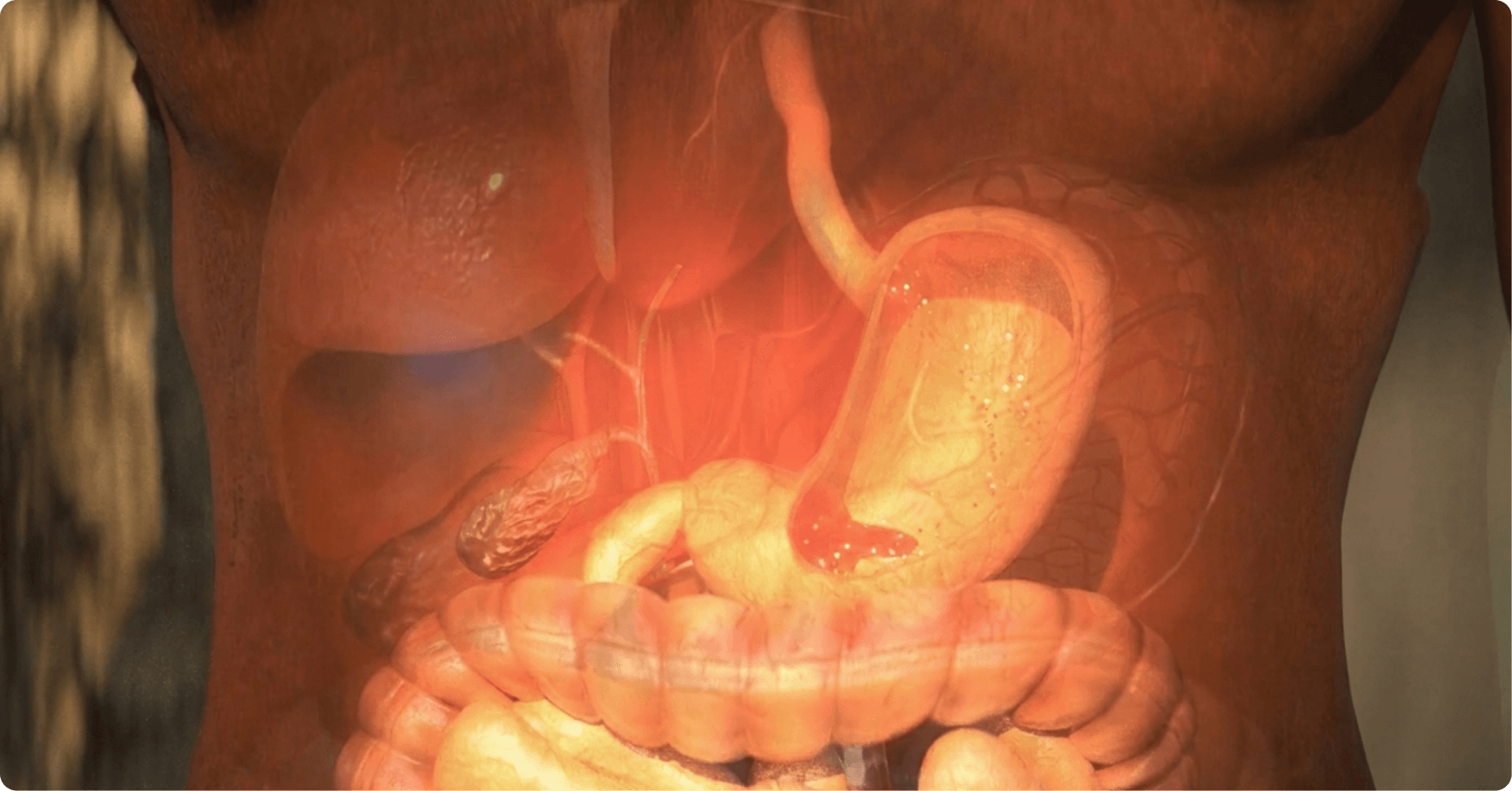
In recent years, science has increasingly relied on digital tools that make complex phenomena easier to visualize. Among these tools, 3D animation stands out for its ability to create detailed simulations of biological, anatomical, and pharmacological processes.
Get this free Guide with
5 key steps for The Digital Transformation
of Scientific Communication
Why is 3D Animation So Effective?
-
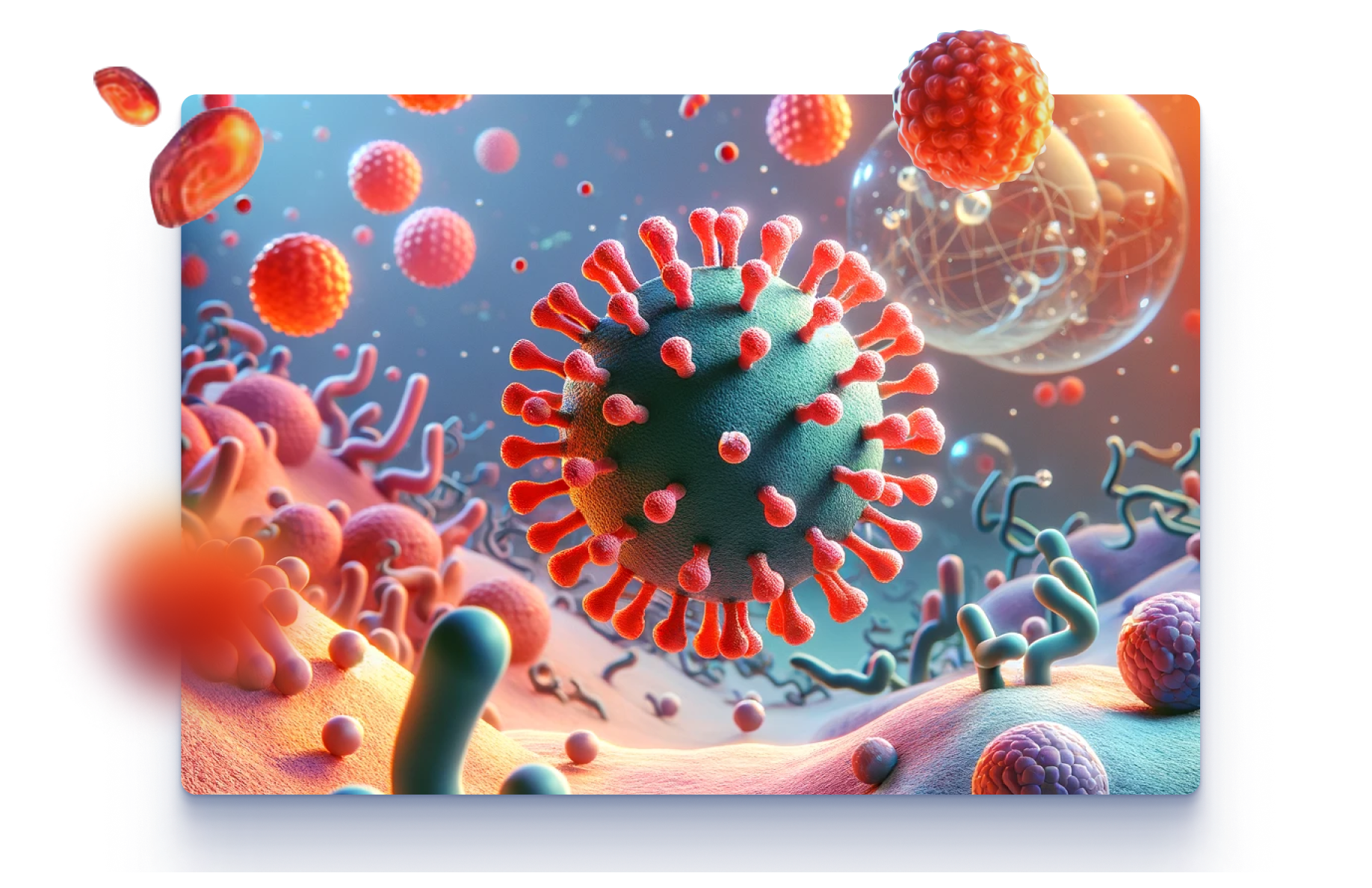
Making the invisible visible: 3D animation can visually represent microscopic biological processes, such as DNA replication or virus propagation, in a way that anyone can understand.
-
Interactivity: 3D models allow users to rotate, zoom in, and explore from different angles, providing a much clearer understanding of structures and their spatial relationships.
-
Simplifying complex ideas: Whether it’s a complicated theory or an intricate equation, 3D animation can transform them into much easier-to-follow visual representations.
-
Enhancing attention and retention: Animations combined with interactivity capture people’s attention and help them retain what they have learned for longer.
Where Can 3D Animation Be Applied in Science?
3D animation has nearly limitless applications across multiple scientific fields:
-
In Medicine: It helps visualize disease development, explains surgeries step by step, and simulates treatments in a virtual space.
-
In Biology: 3D models can showcase molecules and cellular processes or even simulate an entire ecosystem.
-
In Physics: It is ideal for representing hard-to-observe phenomena, such as relativity or quantum mechanics.
-
In Astronomy: Animations can simulate planetary systems or illustrate how black holes function.
What is the Future of Scientific Communication?
The future of scientific communication is filled with exciting trends that could change how we interact with knowledge:
-
-
Immersive Experiences: The combination of AR, VR, and 3D animation will create fully immersive learning environments. It is estimated that by 2025, half of science museums could feature immersive exhibits (National Science Foundation NSF).
-
AI-Powered Personalization: Artificial intelligence will tailor scientific content to match individual knowledge levels and preferences. This could increase comprehension of scientific concepts by up to 40% by 2026, according to some studies (American Association for the Advancement of Science AAAS).
-
Interactive Scientific Storytelling: With 3D animation, AI, and gamification, people will be able to actively participate in scientific narratives. Some experts predict that this approach could boost public interest in health topics by up to 70% by 2027 (Society for Simulation in Healthcare).
-
Global Real-Time Collaboration: Virtual reality platforms will allow scientists to collaborate in real-time on 3D visualization projects, potentially accelerating medical treatment development by 30% (American Physical Society).
-
Solving Problems with 3D Animation
3D animation is addressing challenges in scientific communication. First, it provides a clear way to visualize processes that are traditionally difficult to explain, such as the impact of diseases on the body or how treatments work. For medical students, 3D models offer the opportunity to practice as many times as necessary in virtual simulations—without the costs and limitations of physical models or dissections.
Additionally, 3D animations in healthcare are already delivering tangible results. For example, a study from Stanford University found that patients who received 3D animated explanations of their treatments understood the benefits and risks 40% better than those who received traditional explanations.
The Role of AR and VR in Scientific Education
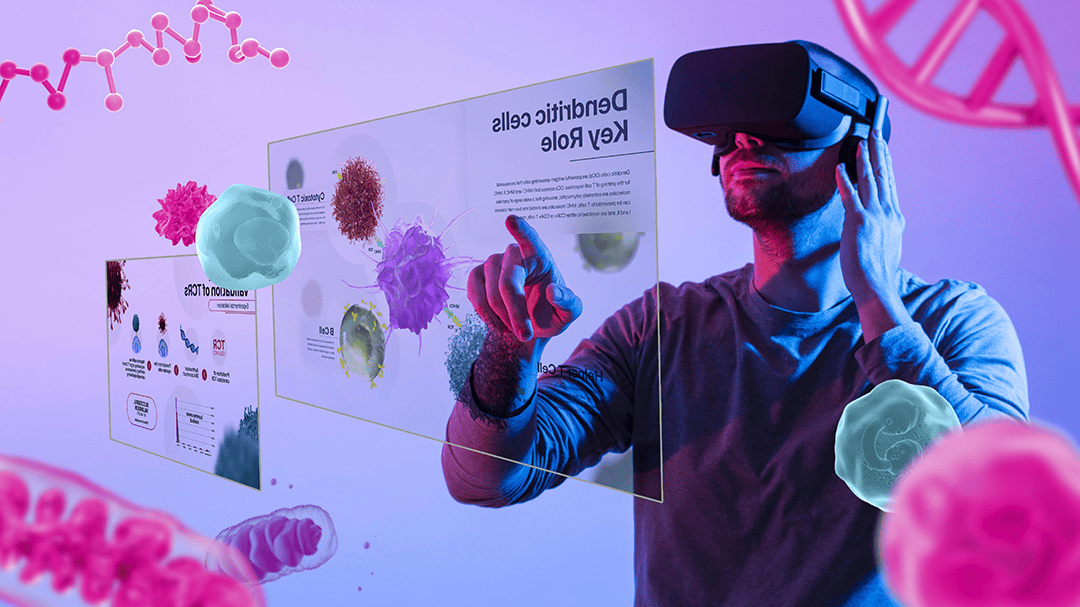
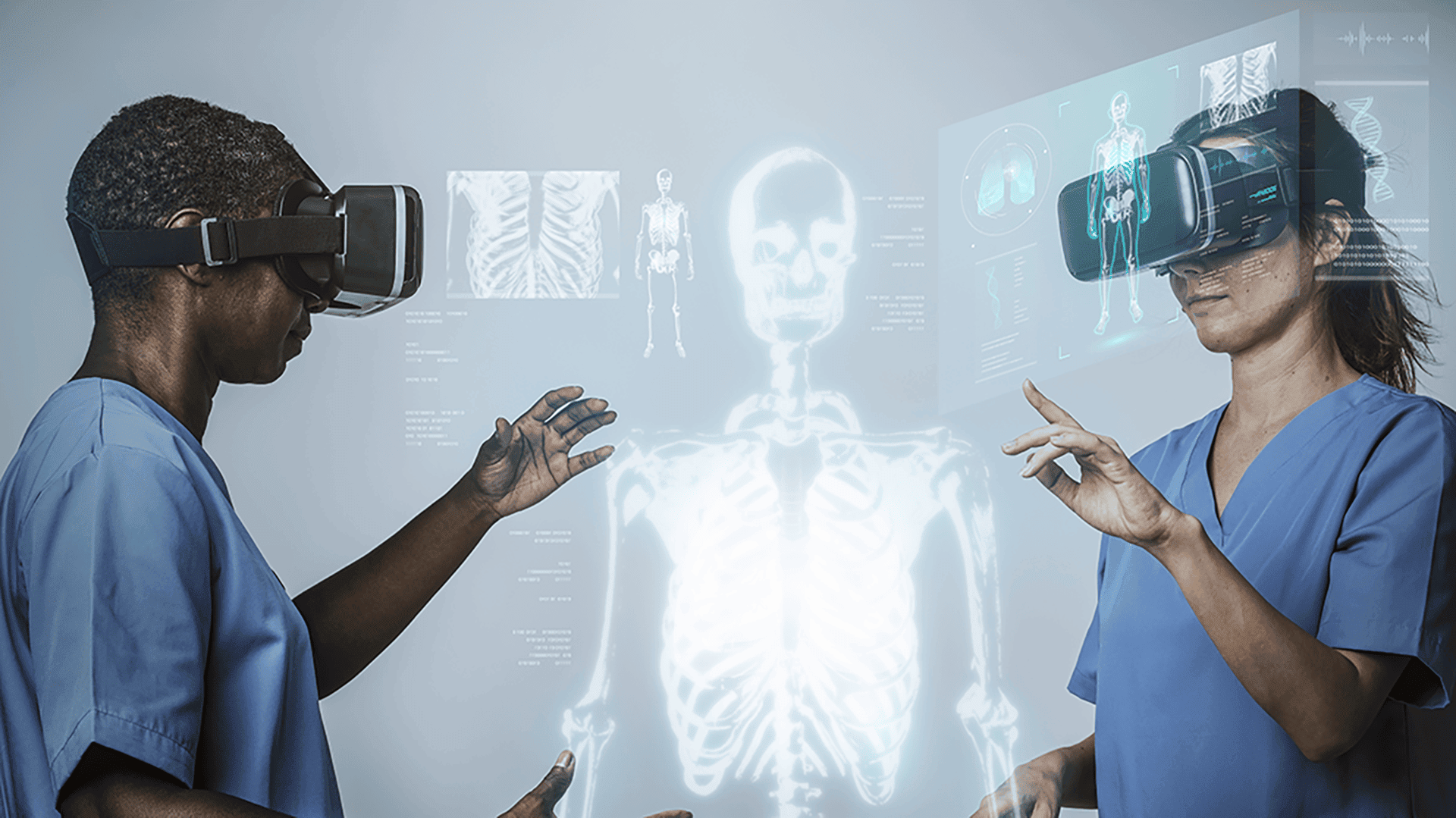
Augmented reality and virtual reality are also gaining prominence in scientific education. These technologies allow users to immerse themselves in environments where they can interact with complex data, experience medical procedures firsthand, or even conduct experiments in a fully simulated world.
A study from Harvard Medical School found that students who used VR simulations to study anatomy improved their exam scores by 20% compared to those who used traditional methods. This highlights how effective immersive experiences can be for both comprehension and learning speed.

Conclusion
The future of scientific communication is being shaped by technologies such as 3D animation, augmented reality, and virtual reality. These tools are revolutionizing how science is communicated to both professionals and the public. More institutions are adopting these technologies, and we are already seeing significant improvements in learning outcomes and clinical accuracy.
We are at a turning point where science can not only be explained but also visually, immersively, and interactively demonstrated. This new era of scientific communication is breaking down barriers between knowledge and its audience, making science more accessible and understandable for everyone.
At 3DforScience, we are committed to providing high-quality tools to ensure that scientific communication is clear and easy to understand.