Table of contents
Artificial intelligence (AI) is undoubtedly making significant changes in the field of biotechnology and health, from the development of medical treatments to improving communication and marketing within these industries. Given the highly competitive nature of this field and the rapid pace of technological advancements, AI and interactive technologies are reshaping how pharmaceutical, biotechnology, and scientific research companies convey their value propositions to customers. These innovations not only streamline operations but also improve customer engagement, helping companies stand out in an increasingly crowded marketplace.
In this article, we will explore how AI drives marketing within these industries, highlighting the importance of interactive communication tools such as 3D animations, augmented reality, and virtual reality to capture customers’ attention.

According to an FDA report, in 2021, more than 100 new drug and biological product proposals submitted reported using AI/machine learning components in their development; this is why the adoption of AI tools in the drug development process has increased over the past 3 years
Are you interested in modular content and omnichannel materials?
AI: An Innovation Engine in Healthcare
AI has proven to be an invaluable tool in healthcare, from disease diagnosis to developing new treatments. By analyzing large amounts of medical data, AI can identify patterns and trends that are difficult for humans to detect, allowing healthcare professionals to make more informed and personalized decisions.
Some of the most prominent applications of AI in the healthcare sector include:
• AI-assisted diagnosis: Machine learning algorithms can analyze medical images (X-rays, MRIs, etc.) with increasing accuracy, helping doctors detect early-stage diseases.
• Development of new drugs: Accelerates the drug discovery process by simulating molecular interactions and predicting the efficacy of potential compounds.
• Personalized medicine: Allows analysis of each patient’s genome to develop personalized and more effective treatments.

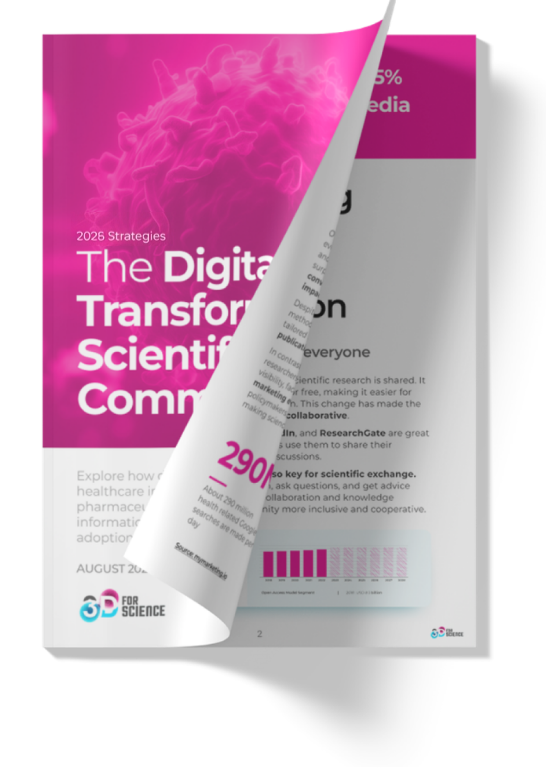
Get this free Guide with
5 key steps for The Digital Transformation
of Scientific Communication
Healthcare Marketing in the AI Era
The way healthcare companies relate to their customers is also affected by technological advancement, and AI currently makes it possible to:
• Personalize the customer experience: Companies can create personalized and relevant experiences by analyzing customer data, from product recommendations to personalized communications.
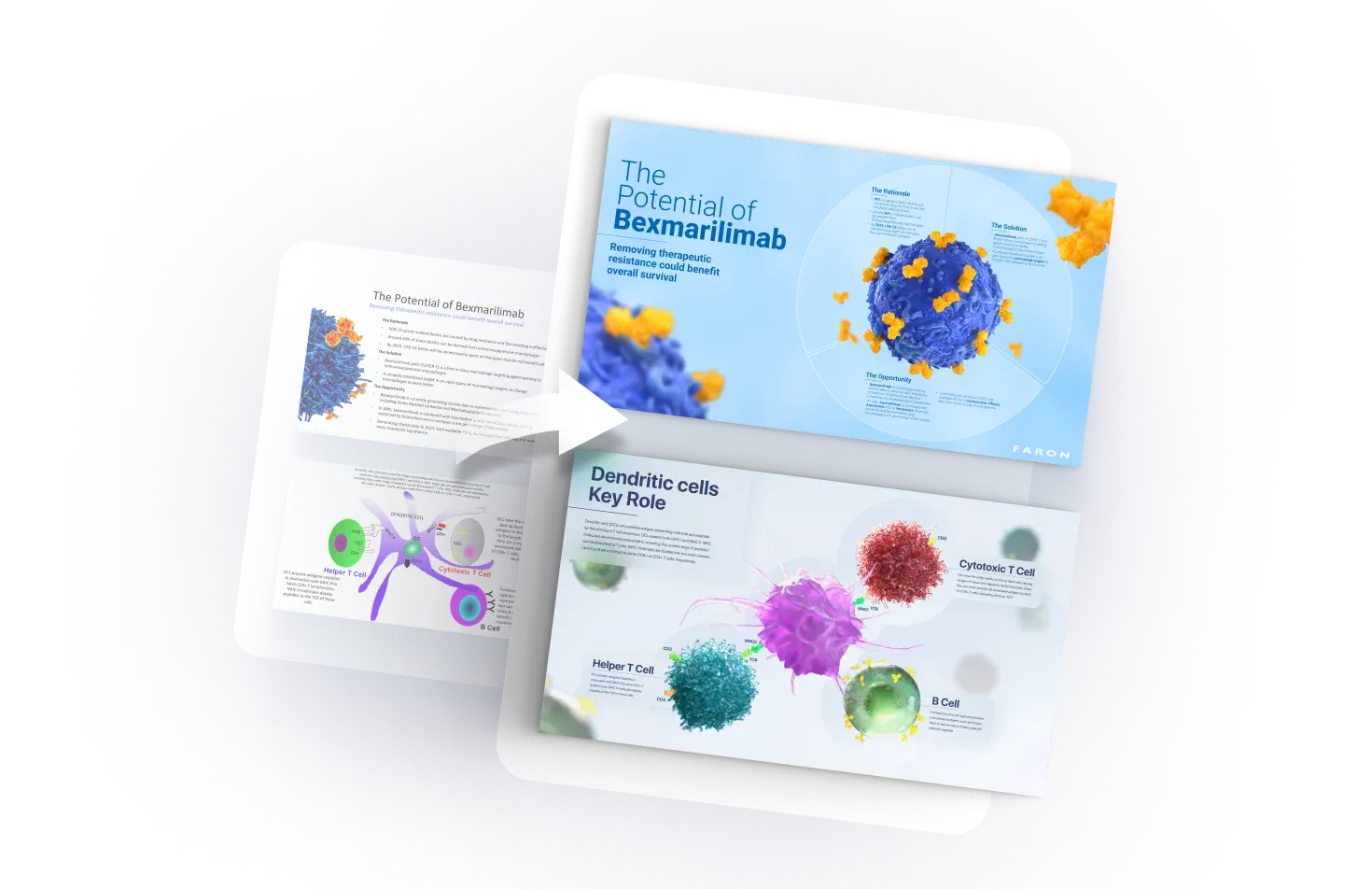
• Create more engaging content: AI generate personalized content, such as interactive infographics, explanatory videos, and 3D simulations, making scientific information more accessible and attractive to the general public.
• Optimize marketing campaigns: Artificial Intelligence allows measuring the performance of marketing campaigns in real-time and adjusting them accordingly, maximizing return on investment.
The Best Complement to AI: Interactive Technology
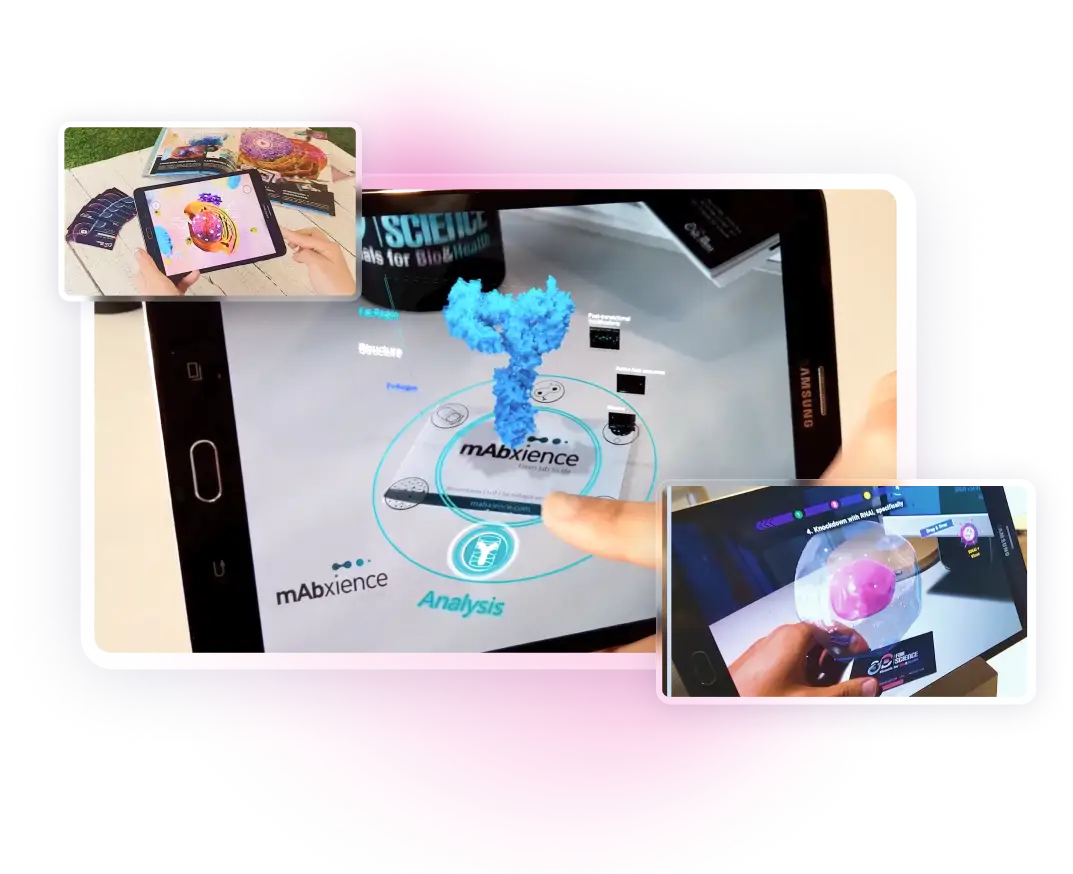
Interactive technology, powered by AI, plays a fundamental role in healthcare marketing. By allowing users to interact with content actively, companies can generate a more immersive and memorable experience. Some examples of interactive technologies include:
• Augmented reality: Allows users to visualize products and treatments three-dimensionally in their own environment.
• Virtual reality: Offers immersive experiences that can be used to simulate medical procedures or show the benefits of a new treatment.
• Chatbots: Provide instant answers to customer questions and can guide them through the purchasing process.
Numerous biotechnology and pharmaceutical companies are using these technological communication tools and AI to transform their marketing. For example, some companies are using virtual reality to train surgeons in new surgical techniques, while others are developing mobile applications that allow patients to monitor their health and receive appointment reminders.
Future Trends in Healthcare Marketing
With all of the above in mind, the future of healthcare marketing is increasingly promising. As AI continues to advance, we can expect to see new and exciting applications in this sector. However, it is important to address the ethical and regulatory challenges posed by AI, especially in the healthcare field.
Important information that makes us think
• The global market for artificial intelligence (AI) in healthcare is projected to reach $20.9 billion by 2024 and is expected to grow significantly, reaching $148.4 billion by 2029 with a compound annual growth rate (CAGR) of 48.1%.
• For information regarding the percentage of consumers who prefer interacting with brands through digital channels, Accenture reports that 91% of consumers are more likely to shop with brands that provide relevant offers and recommendations through digital channels.
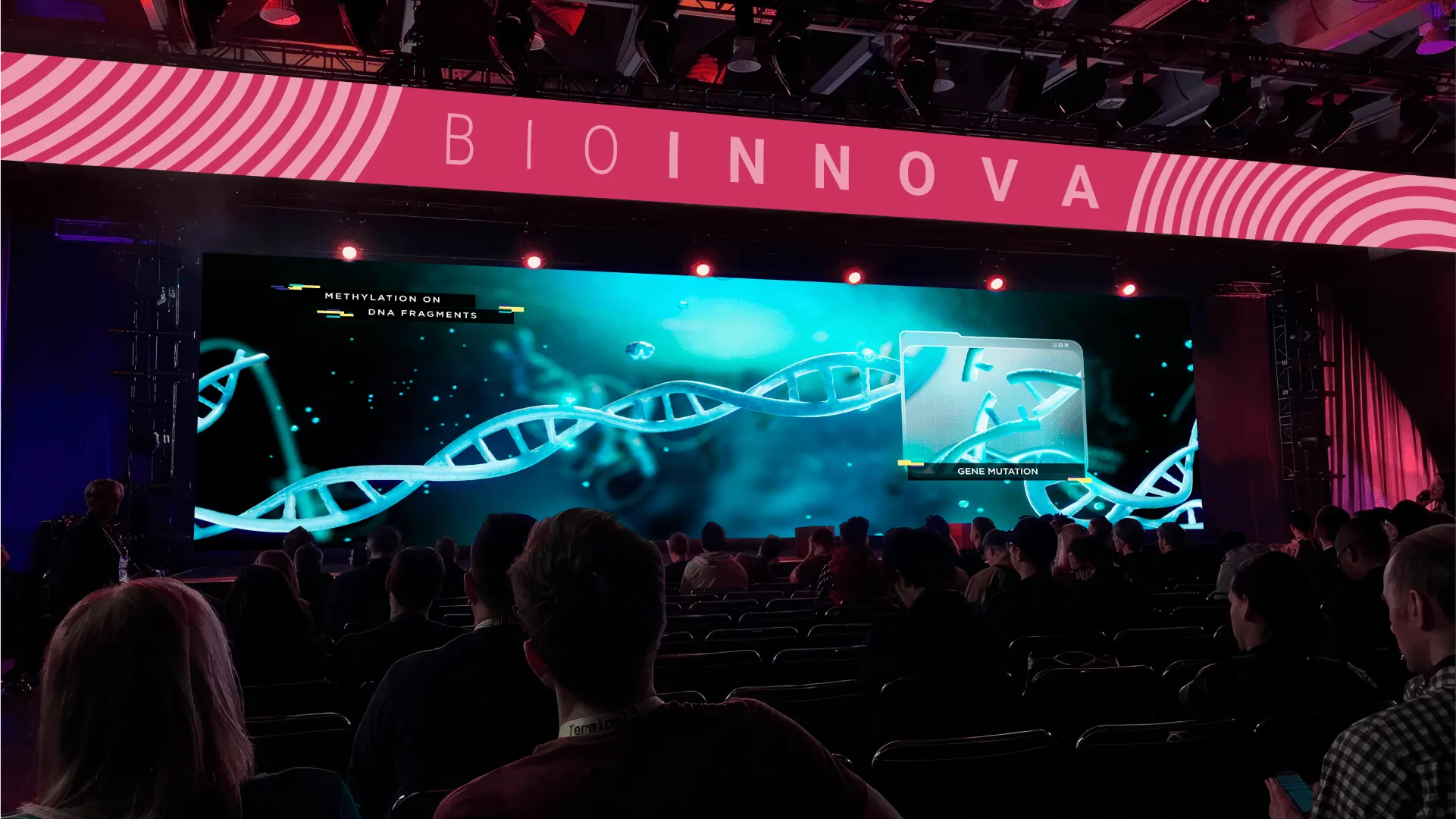
• Stanford’s School of Medicine has been actively using virtual reality (VR) technology for educational purposes, particularly in neurosurgery, where it has improved surgical training and enhanced patient care by allowing students and surgeons to explore complex anatomical cases in 3D. This innovative use of VR technology is aimed at improving both clinical reasoning and patient outcomes.
Conclusion: The Synergy of AI and Interactive Technology in Healthcare
AI has drastically changed the way biotechnology and pharmaceutical companies connect with their customers or potential investors. By leveraging interactive technology, these companies can create more personalized, engaging, and effective experiences. However, it is essential to address the ethical and regulatory challenges posed by AI to ensure that its use is beneficial for everyone.
Adding to these new trends, at 3DforScience, we are concerned with working with useful and effective digital tools to reinforce and complement the use of this technology and achieve improvement and a greater understanding of healthcare sector development.